

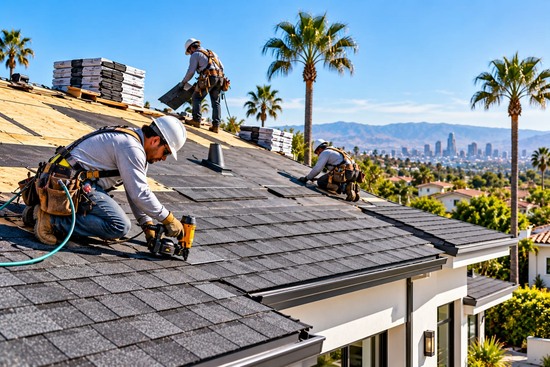
A dependable roof is essential to protecting a home from sun, wind, rain, and seasonal weather changes. Over the years, roofing materials can wear down, flashing may deteriorate, and repairs can become more frequent. When a roof reaches the point where patching no longer offers a practical long-term solution, replacement may be worth considering.
Choosing professional roof replacement can help homeowners address existing roofing problems and plan for lasting protection. With a careful inspection, suitable materials, and installation by qualified professionals, a roof replacement project can improve the home’s weather resistance and refresh its overall appearance.
When Is It Time to Replace a Roof?
Roof problems often develop gradually rather than appearing all at once. Common warning signs include cracked, curled, or missing shingles; damaged or displaced tiles; deteriorating flashing; and recurring leaks. Granules collecting in gutters may indicate that asphalt shingles are wearing down, while sagging areas or visible damage to the roof deck require prompt professional attention.
Inside the house, water stains on ceilings, peeling paint, damp insulation, or persistent musty odors can point to moisture intrusion. These symptoms should be investigated quickly because water can damage framing and interior finishes if the source is left unresolved.
A roof’s age and repair history are also important. The expected lifespan varies by material, installation quality, ventilation, and exposure. A professional inspection can help determine whether targeted repairs remain reasonable or whether a full replacement is the more suitable option.
Roof Replacement and New Installation Are Not the Same
Roof replacement generally means removing or renewing an existing roof covering and addressing any underlying problems found during the work. New roof installation may be part of a newly built home, an addition, or a project where a roof system is being installed for the first time. Although the two projects can involve similar materials and techniques, their planning requirements may differ.
Homeowners comparing options can learn about new roof installation when planning a new structure or a project that requires a new roof system. In either case, the design should account for roof slope, drainage, ventilation, insulation, structural requirements, and the property’s local building regulations.
Choosing the Right Roofing Material
Roofing materials affect a home’s appearance, maintenance needs, cost, and performance. Asphalt shingles are widely used and come in a range of colors and styles. Tile can complement many California architectural styles, while metal roofing may appeal to homeowners looking for a durable option with a distinctive appearance. Each material has its own installation requirements and should be suitable for the structure.
Consider more than the initial purchase price. Ask about expected service life, maintenance, repair options, manufacturer warranties, and how the material performs under local weather conditions. Roof weight is particularly important when changing from one material type to another, because the structure may need to support different loads.
Color and design also matter. The roof should complement the home’s exterior, but aesthetic decisions should be balanced with performance, applicable fire-safety requirements, and any neighborhood or homeowners association guidelines.
Key Steps in a Roof Replacement Project
1. Inspection and Written Estimate
The project usually starts with an assessment of the existing roof. A contractor examines the visible covering, flashing, penetrations, drainage, and signs of water damage. The estimate should describe the planned work, selected materials, removal and disposal of old roofing, and how concealed damage will be handled if it is discovered after removal.
2. Planning and Material Selection
Once the scope is established, homeowners can compare material options, colors, warranties, and installation details. The contractor should explain the expected schedule, site protection, debris management, and any weather-related considerations. Confirming these details in advance can help avoid misunderstandings during construction.
3. Removal and Deck Inspection
Depending on the roof and applicable requirements, existing roofing materials may need to be removed. The exposed roof deck can then be checked for rot, moisture damage, or other defects. Damaged areas should be repaired before the new roofing system is installed.
4. Installation of Roofing Components
A roof is a system rather than just a visible layer of shingles or tiles. Underlayment, flashing, edge details, fasteners, ventilation, and drainage components all contribute to its performance. Correct installation according to the manufacturer’s instructions and applicable codes helps reduce the risk of leaks and premature failure.
5. Final Review and Cleanup
When the work is complete, the contractor should review the finished roof, clear debris from the site, and provide relevant warranty and maintenance information. Any required inspections should be completed as part of the local approval process.
California Climate and Building Requirements
California includes a wide range of environments. Coastal communities may experience salt air and moisture, inland areas can face intense heat, and some regions have significant wildfire exposure. Material selection and roof details should reflect the conditions at the specific property rather than relying on a one-size-fits-all approach.
Permit and inspection requirements vary by city and county and may depend on the building and scope of work. Before construction begins, confirm local requirements with the relevant building department and discuss permit responsibilities with the contractor. Fire-resistance standards and other local rules may also influence which roofing materials can be used.
Homeowners should verify that the contractor holds the appropriate California license and insurance for the work. The California Contractors State License Board provides a way to check license status. A written contract should identify the scope, materials, payment schedule, estimated timeline, and process for approving additional work.
How to Compare Roofing Contractors
The lowest estimate is not necessarily the best value. Compare proposals based on the same scope of work and ask contractors to explain what is included. Important details may include tear-off, disposal, underlayment, flashing, ventilation, permits, cleanup, and repairs to damaged decking.
Ask about experience with your roof type, project supervision, references, and the products being proposed. A reputable contractor should be willing to answer questions clearly and explain how unexpected conditions will be documented and priced. Avoid vague estimates or pressure to sign before you understand the agreement.
Discuss warranties separately. Manufacturer warranties and workmanship warranties cover different things, and terms vary. Ask what is covered, how long coverage lasts, and what maintenance or installation conditions may affect it.
Protecting Your Investment After Installation
Routine maintenance can help a new roof perform as intended. Keep gutters and downspouts clear, trim branches that may scrape roofing materials, and watch for signs of leaks or displaced components after severe weather. Roof access can be dangerous, so use a qualified professional for inspections or maintenance that requires climbing.
Keep copies of the contract, permits, product details, warranty documents, and records of any repairs. Follow the manufacturer’s maintenance guidance and avoid cleaning methods that could damage the roof surface. Addressing small problems early can help reduce the likelihood of more extensive repairs later.
Conclusion
A roof replacement is an important investment in the safety, durability, and appearance of a home. By recognizing signs of deterioration, selecting suitable materials, confirming local requirements, and comparing detailed contractor proposals, homeowners can make informed decisions about their roofing project.
Whether renewing an aging roof or planning a new structure, professional assessment and careful installation help ensure that the complete roofing system is considered. Clear communication, realistic budgeting, and regular maintenance can support reliable performance for years to come.