



You don’t need a massive bank account or a team of professionals to live in a beautiful space. Most of us feel stuck because we think “elegance” is something found only in expensive showrooms, but a high-end home is actually about intentionality, not a price tag.
This guide breaks down the core principles of Interior Design DrHomey to help you turn your house into a calm, artistic sanctuary. We’re moving away from cluttered rooms and “fast furniture” and focusing on the details that actually matter—from mastering layered lighting to picking furniture that lets a room breathe. Here is how you can apply professional design standards to every room you own, without the financial strain.
Affordable Luxury Philosophy of Interior Design DrHomey
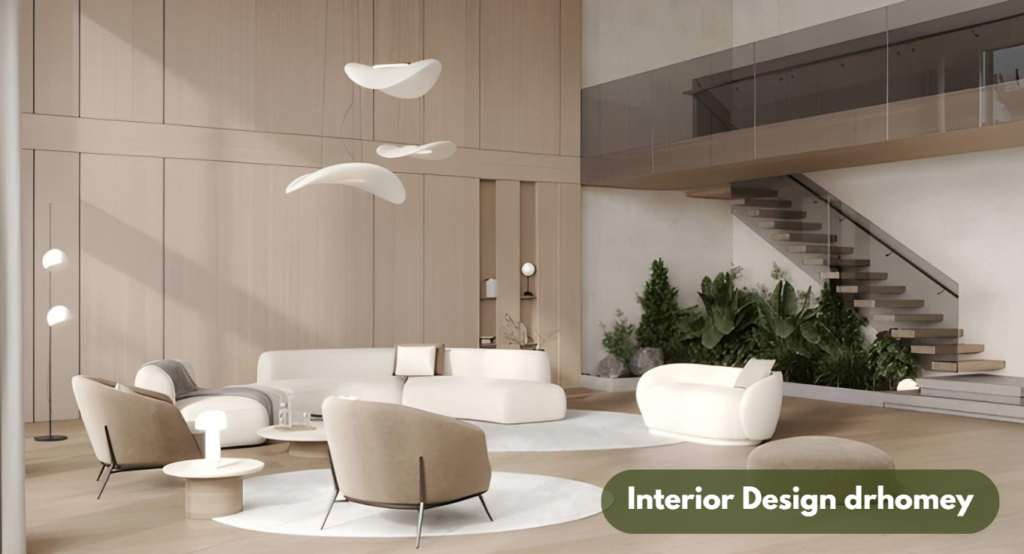
The core idea behind interior design drhomey is that your home should be a source of peace. One of the most notable, drhomey interesting facts reveals that small environment changes can lead to better mental health at home. Shifting a few small variables—like furniture placement or curtain textures—creates a massive impact on your mood and productivity.
Principles of an Authentic Home:
- Ignore the Hype: Following internet trends too closely makes a home feel dated within a year. Instead, focus on how you actually inhabit each room.
- Longevity over Volume: It is better to own one well-crafted, solid wood chair than three cheap versions that will end up in a landfill.
- Material Integrity: Sophistication is defined by materials that age gracefully. Incorporating elements like natural stone, solid timber, and linen creates a sense of history and weight that makes a room feel grounded and permanent.
Using Natural Light to Expand Living Spaces
One of the most effective instruments is light. In a matter of seconds, it may completely alter the atmosphere of a space. It’s free as well. Regardless of the cost of the furniture, a dark room feels small and cheap. If you want a space to feel upscale, you have to let it breathe.
Clear the Path: Start with the windows. Those heavy, dark drapes are killing your vibe. Swap them for light, sheer linens. You still get your privacy, but the sunlight filters through, making the whole room feel twice as big.
Layer Your Lighting: The most common error people make is depending solely on a strong overhead light. —the “stadium look.” It creates flat, ugly shadows. To get a high-end feel, you need layers:
- Ambient: A dimmable overhead for general use.
- Task: A focused lamp for your desk or reading chair.
- Accent: Small table lamps or floor lamps to create warm “pockets” of light in the corners.
The Glow Factor: In the U.S., most luxury spaces stay away from “cool white” bulbs. Stick to warm white (2700K). It enhances the appearance of your furnishings and skin tones by simulating the glow of a sunset.
Adding Depth with Strategic Mirror Placement
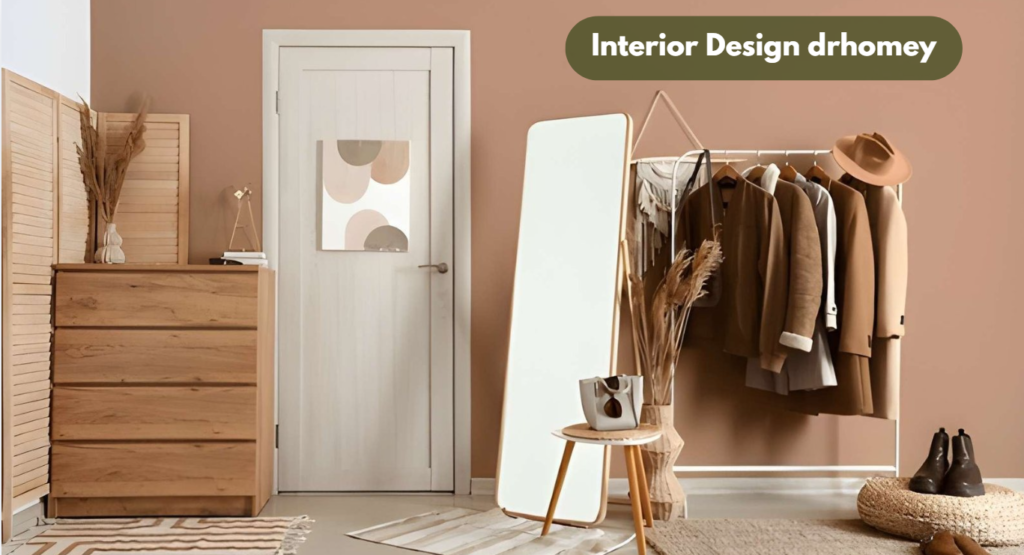
For tiny spaces, mirrors are like magic. They solve two problems at once: they act as art and they trick the eye into thinking a room is twice as big.
- The Window Bounce: Put a big mirror right across from a window. It catches natural light and throws it back into the room, instantly brightening dark corners.
- Break the Lines: Most furniture is rectangular. Use a round mirror to break up those straight lines and make the space feel balanced and modern.
- Lean, Don’t Hang: For a casual, high-end “luxury apartment” vibe, lean a tall floor mirror against the wall instead of mounting it. It adds height to the ceiling and feels more lived-in.
People often visit drhomey handy tips for practical ideas that help improve lighting, space, and overall room balance.
Picking Furniture for Function and Form
Choosing the right furniture is a major part of interior design. In many American homes space is at a premium. High-end design is about intentionality. It’s the difference between a room that looks “furnished” and a room that looks “collected.” You want pieces that serve a purpose without choking the room.
Scale Over Style: The most common design fail is buying furniture that’s the wrong size. A massive sectional in a tiny apartment looks suffocating. A tiny rug in a big room looks like an afterthought.
- The “Walk-Through” Rule: You should always have enough “white space” on the floor to move comfortably. If you’re dodging furniture to get to the kitchen, the room isn’t designed; it’s cluttered.
Materials Matter: If you’re on a budget, buy for material, not for the brand.
- The Hierarchy: Solid wood, stone, and metal will always look more expensive than plastic or particle board.
- The Second-Hand Hack: A sturdy, old oak table from a thrift store with a fresh matte finish will look infinitely more “luxury” than a brand-new, flimsy flat-pack desk.
Be Smart with Function: In modern homes, space is a luxury. Look for “hardworking” furniture: ottomans with hidden storage or sleek, low-profile sofas that don’t block the sightlines of the room. When a room stays organized, it automatically looks more expensive.
Elevating Rooms with Natural Greenery
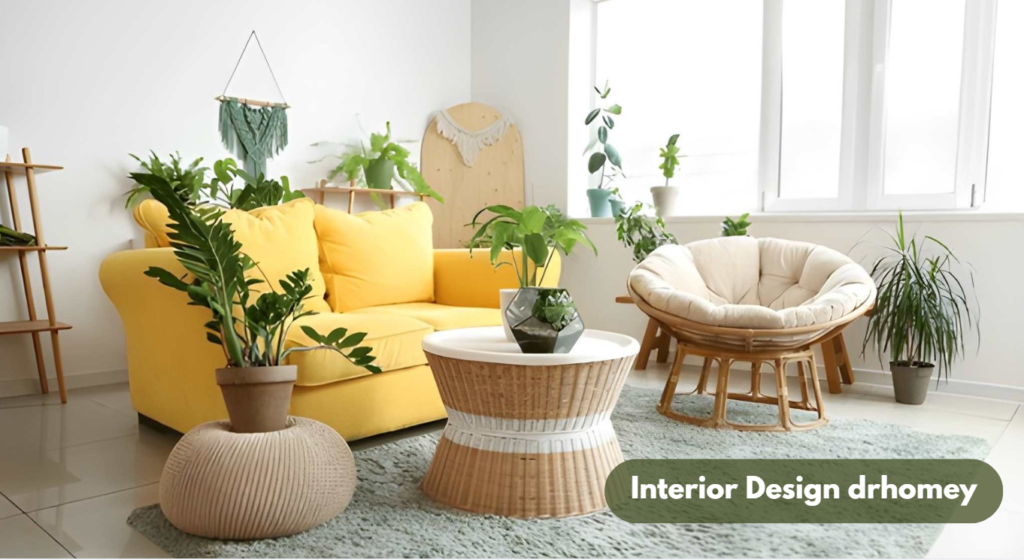
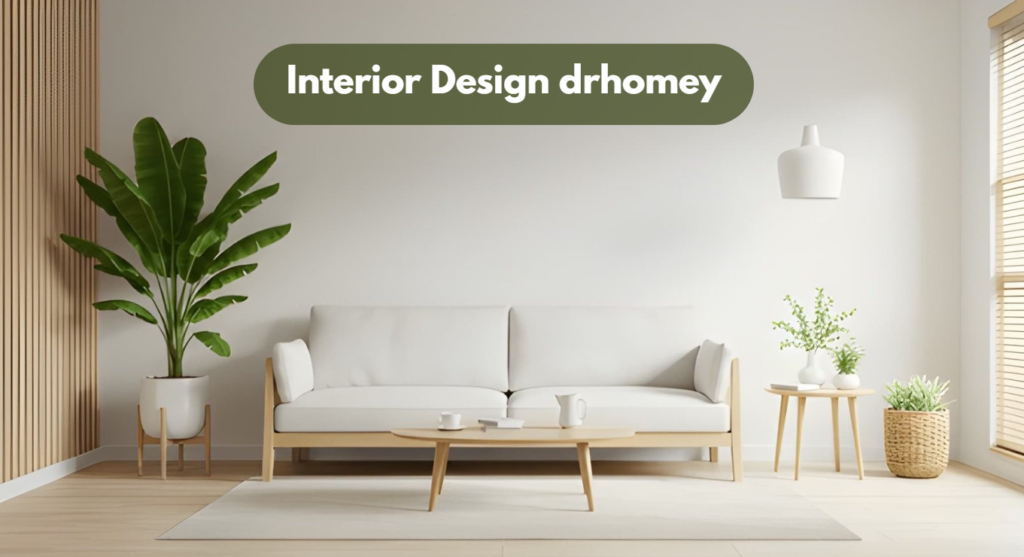
Plants are one of the most affordable ways to upgrade your home. They bring life and color into a room instantly. They help clean the air and they make a space feel more relaxed. Plants are the most affordable way to inject life into a room. Greenery is vital—it cleans the air and softens the “hard” edges of modern furniture.
- Quality Over Quantity: Don’t clutter your shelves with dozens of tiny plastic pots. Invest in one large, dramatic focal point like a Fiddle Leaf Fig or a Snake Plant.
- Upgrade the Container: Ditch the cheap plastic nursery pots. Use ceramic, stone, or concrete containers. The weight of the material makes the plant look like a deliberate piece of decor rather than an afterthought.
- Go Organic: If you can’t keep plants alive, use dried eucalyptus or olive branches in a tall vase. They smell great and add a sophisticated, organic texture that lasts forever.
The latest tips DrHomey shares focus on creating comfortable spaces with simple, practical design choices.
Mastering a Neutral and Expensive-Looking Palette
One of the first things people notice when they enter a space is its color. To get a look that feels luxurious, you should consider using neutral color schemes for small apartments. In exterior design drhomey, color is the first thing people notice. To get a polished and elegant look, stop chasing neon trends and stick to a timeless foundation: soft whites, warm grays, and beiges.
- The Monochromatic Secret: Utilize various tones of the same hue . If you have light gray walls, use a charcoal rug and medium-gray curtains. This “layered” look is a hallmark of professional design.
- Watch the Undertones: Not all whites are the same. Some are “cool” (blue tint) and some are “warm” (yellow/pink tint). For bedrooms, stick to warm undertones to make the space feel restful rather than clinical.
- Texture is Key: Since your colors are neutral, your fabrics must be interesting. Combine a chair made of smooth leather with a chunky wool rug and linen pillows. These textures create the “richness” people feel when they walk in.
The “Zero-Cost” Luxury: Intentional Decluttering
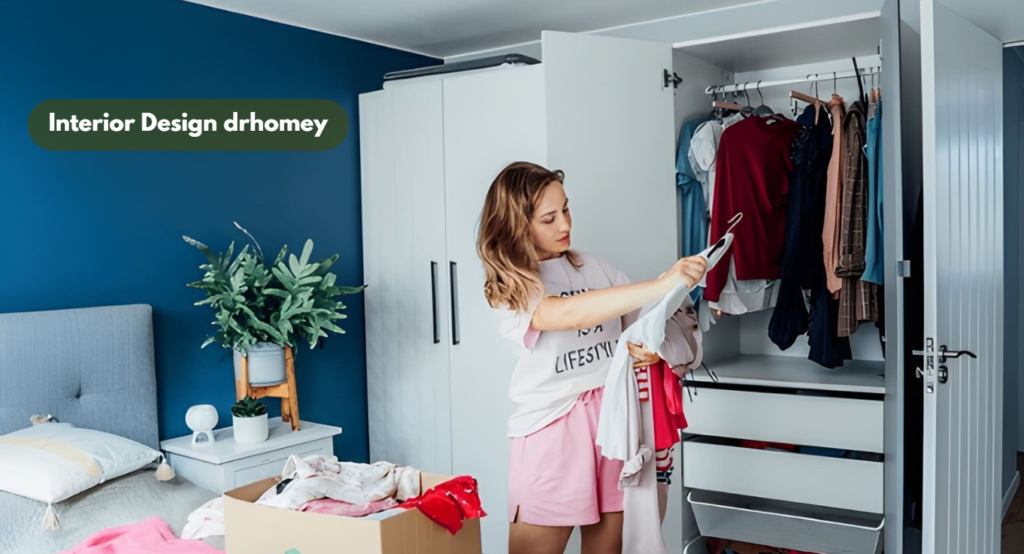
The fastest way to make a house look cheap is to fill every surface with “stuff.” In interior design DrHomey, a clean surface is considered a luxury feature. The room will feel disorganized if your eyes have nowhere to rest.
Edit Your Surfaces: Treat your coffee table like a gallery. If you haven’t touched anything in a month, hide it or toss it.
- The Rule of Three: Group items (like a candle, a book, and a small tray) in threes. It looks intentional; a pile of ten things just looks like a mess.
- Hide the Tech: Nothing ruins a high-end aesthetic like a tangled nest of charging cables. Use decorative boxes or cable management clips to keep the “gears” of your life out of sight.
Appreciate the Negative Space: You don’t need to fill every corner with a chair or a plant. “Negative space”—the empty areas of a room—is what allows your best pieces to actually stand out.
Stop Trying to Match Your Wood Tones
A common design myth is that every piece of wood in a room has to be the exact same shade of oak. That reflects a more generic approach to decorating. To get a curated look, you should actually mix your wood finishes.
Find the Undertone: The secret to mixing wood is matching the “temperature,” not the color.
- Warm vs. Cool: If your floor has a reddish, warm tint, look for furniture with similar warm undertones (like cherry or walnut).
- The Buffer Trick: If you have a dark wood table and a dark wood floor, they’ll bleed together and look heavy. Toss a neutral, light-colored rug between them to create a visual break. This makes the different tones look like a choice, not an accident.
This is a fantastic way to use vintage or secondhand pieces in a modern home.
High-End Accents: Spend Small, Look Big
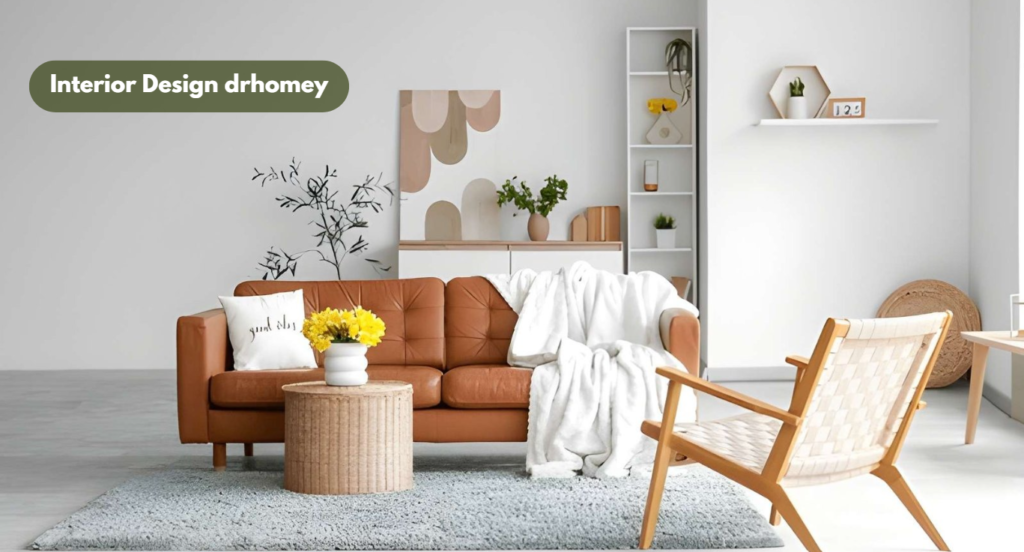
You don’t need a $5,000 sofa to make a room look expensive. You just need to get the details right. Accents are the “jewelry” of the room. If the jewelry looks cheap, the whole outfit falls apart.
The Hardware Upgrade: The fastest way to devalue a kitchen or bathroom is with “builder-grade” plastic or generic chrome handles.
- The Fix: Swap them for solid brass, matte black, or oil-rubbed bronze.
- Why it works: It’s a budget-friendly project that takes an afternoon but makes your cabinets look custom-made. People touch handles every day—when they feel heavy and solid, the whole room feels higher quality.
Art is About the Frame, Not the Price: You don’t need an original oil painting to have “expensive” walls.
- The Gallery Secret: A simple $20 print or even a piece of textured fabric can look like a masterpiece if it’s in a massive, high-quality frame with a wide mat.
- Scale Matters: One oversized, dramatic piece of art always looks more “luxury” than a cluttered wall of tiny, mismatched frames.
Invest in Touchpoints (Textiles): If you’re going to spend money, spend it on the things you touch. High-quality textiles can mask a cheap sofa instantly.
- Ditch the Synthetics: Avoid shiny, 100% polyester pillows. They look cheap and age poorly.
- Go Natural: Look for linen, heavy cotton, or wool. These materials have a “weight” to them that synthetic fabrics can’t mimic. They drape better, last longer, and give the room an organic, sophisticated feel.
The Final Polish: Cohesion and Scent
Interior design drhomey is built around comfort, simplicity, and practical living. The goal is not to create a home that looks perfect online. A home that looks expensive should also feel (and smell) consistent. You want a “flow” from the front door to the bedroom.
- Pick a Signature Scent: Use a high-quality diffuser with cedar, sandalwood, or linen scents. It hits the “luxury” sense that visuals can’t reach.
- The Constant Thread: Use one element—maybe it’s a specific shade of blue or a certain metal finish—and repeat it subtly in every room. It ties the whole house together without making it look like a showroom.
At the end of the day, the most “luxurious” thing about a home is how well it serves the people living inside it. Use these principles to clear the clutter, invite the light in, and build a space that feels as good as it looks.