

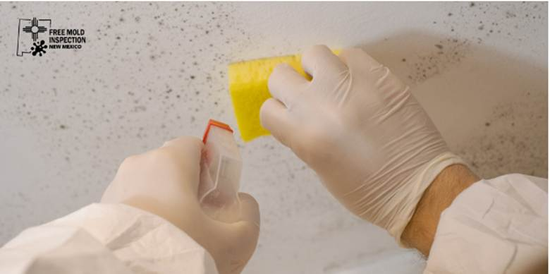
Mold can develop quickly when moisture enters a home or commercial property and is not properly addressed.
Although New Mexico is known for its dry climate, mold problems can still occur after plumbing leaks, roof damage, flooding, condensation, appliance failures, or hidden moisture inside walls and crawl spaces.
For property owners, understanding how professional mold remediation New Mexico services work can make it easier to respond before a small moisture issue becomes a larger property concern.
The most effective approach is not simply removing visible growth.
It involves identifying the moisture source, determining which materials are affected, cleaning or removing contaminated materials, and taking steps to reduce the risk of the problem returning.
Why Mold Problems Should Not Be Ignored
Mold growth is often a sign that moisture has been present long enough to affect building materials. A stain on drywall may appear minor, but the source could be a leaking pipe, roof problem, damaged seal, or moisture trapped behind the surface.
Addressing only the mold that can be seen may leave the underlying moisture problem unresolved.
Property owners should watch for common signs that may indicate a mold or moisture issue, including:
- Persistent musty odors.
- Dark or unusual staining.
- Peeling paint or bubbling drywall.
- Warped flooring or baseboards.
- Damp insulation.
- Recurring mold after cleaning.
- Water stains near ceilings or windows.
- Recent flooding or plumbing leaks.
These warning signs do not necessarily mean mold has spread extensively, but they can signal that a professional evaluation may be worthwhile.
Identifying the moisture source early can help prevent additional damage and reduce the risk of the problem getting worse.
What Professional Mold Remediation Involves
A professional mold cleanup process usually begins with an inspection of the affected area and nearby spaces.
Inspectors may evaluate walls, ceilings, flooring, attics, crawl spaces, bathrooms, utility areas, and other locations where moisture can remain hidden.
The specific steps involved can vary based on the property and the severity of the mold issue, but they may include:
- Visual inspection and moisture detection.
- Identification of affected building materials.
- Containment of contaminated areas.
- Removal of damaged porous materials when necessary.
- Cleaning of salvageable surfaces.
- Drying of damp structural materials.
- Correction of the moisture source.
- Recommendations for future prevention.
Certified mold testing may also be appropriate in certain situations when additional information about indoor conditions is needed.
The goal is to address both the contamination and the conditions that allowed it to develop.
Crawl Spaces and Attics Need Attention Too
Moisture issues can sometimes form in hidden or seldom checked areas of a property. Crawl spaces can collect moisture from soil, plumbing leaks, poor drainage, or humid air.
Prolonged moisture can gradually damage insulation, floor joists, subflooring, and other structural materials below the home. Depending on the cause, crawl space mold removal may need to be combined with drainage corrections, plumbing repairs, ventilation improvements, or installation of a vapor barrier.
Attics can develop similar problems. Roof leaks, damaged flashing, poor ventilation, or exhaust fans venting into the attic may create damp conditions that allow mold to grow.
Regularly checking these spaces can reveal signs of moisture, odors, condensation, or material damage before the issue has a chance to spread.
Prevention Should Follow Removal
Effective mold cleanup should include a plan for preventing future moisture problems.
Property owners can lower the chance of future problems by taking a few simple preventive measures:
- Repair plumbing and roof leaks promptly.
- Dry wet materials after water damage.
- Monitor indoor humidity.
- Improve ventilation in moisture prone rooms.
- Inspect attics and crawl spaces periodically.
- Maintain gutters and exterior drainage.
- Check areas that experienced previous water damage.
- Address recurring condensation around windows or HVAC systems.
Prevention is especially important in areas that have already experienced mold growth.
Routine checks can help property owners spot new moisture concerns early, before they grow into larger and more costly issues.
Choosing Experienced Mold Professionals
Property owners considering mold remediation New Mexico services should look for a company that focuses on the entire moisture and cleanup process rather than simply spraying or covering visible growth.
A thorough provider should consider inspection, moisture detection, containment, removal of affected materials when necessary, drying, cleaning, and preventive measures.
Experience with local homes and building conditions can also be helpful because moisture problems may vary depending on roofing, cooling systems, drainage, construction type, and property age.
Free Mold Inspections New Mexico provides inspection, mold testing, water dry out, crawl space services, attic mold removal, remediation, vapor barrier installation, and mold prevention solutions for homeowners and businesses.
A professional inspection may be particularly useful when a musty odor is present without visible growth, after significant water damage, during a real estate transaction, or when mold repeatedly returns after cleaning.
FAQs About Mold Remediation in New Mexico
Can Property Owners Remove Mold Themselves?
Small surface areas may sometimes be manageable when the moisture source is known and appropriate precautions are taken. Professional assistance may be more appropriate when the affected area is large, hidden, recurring, or connected to significant water damage.
How Long Does Mold Remediation Take?
The timeline depends on the size of the affected area, the materials involved, moisture levels, accessibility, and whether damaged materials need to be removed. A small isolated area may take less time than contamination affecting multiple rooms, crawl spaces, or attics.
How Can Mold Be Prevented From Returning?
The best prevention strategy is moisture control. Leaks should be repaired, wet materials should be dried promptly, ventilation should be maintained, and previously affected areas should be checked for new signs of dampness.
Addressing both the mold and the moisture source gives property owners the strongest foundation for keeping indoor spaces dry and well maintained.