

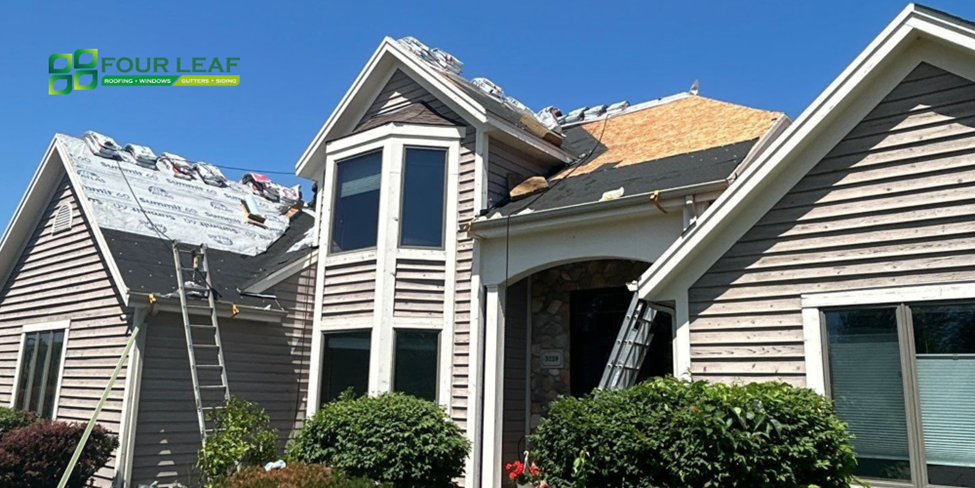
A roof does not need to be visibly collapsing or pouring water before it deserves attention. Many roofing problems begin quietly, developing around shingles, flashing, vents, roof edges, and other areas exposed to changing weather.
For homeowners researching roof repair in New Berlin, learning to recognize early warning signs can make roofing decisions easier. Catching a problem sooner may let a contractor correct a limited area before moisture affects other parts of the home.
Small Exterior Changes Can Reveal Bigger Problems
Homeowners do not need roofing expertise to notice when something has changed. A simple visual check from the ground can reveal conditions worth investigating.
Common warning signs include:
- Shingles that appear raised, cracked, or missing
- Dark or uneven areas across the roof surface
- Shingle granules collecting near downspouts
- Loose metal around chimneys or vents
- Gutters pulling away from the roofline
- Debris or branches resting on the roof
- Newly exposed sections following strong winds
These conditions do not always mean major work is necessary. These signs can be a good reason to have the roof professionally evaluated.
Roofing contractors can examine areas that are difficult to evaluate safely from ground level and determine whether the issue involves a few damaged shingles, deteriorated roof flashing, drainage problems, or something more extensive.
Interior Clues Should Not Be Overlooked
Roofing problems sometimes reveal themselves inside the house before exterior damage becomes obvious.
Homeowners may notice:
- Brown or yellow ceiling marks
- Peeling paint near exterior walls
- Damp attic insulation
- Moisture around vents or chimneys
- Musty odors in upper rooms
- Discolored roof decking in the attic
A stain on the ceiling does not necessarily sit directly below the point where water entered. Moisture can travel along framing or roof decking before becoming visible indoors.
That is why professional roof leak repair should focus on identifying the actual entry point rather than treating only the visible symptom.
Wisconsin Weather Can Expose Weak Roofing Areas
Southeastern Wisconsin homes experience changing conditions throughout the year. Wind, heavy rain, snow, ice, hail, and temperature swings continually test roofing materials.
High winds can loosen shingles. Hail may affect exposed roofing surfaces. Freezing and thawing can place additional stress on vulnerable seams and flashing.
Following severe weather, homeowners can safely walk around the property and look for:
- Shingles or roofing material on the lawn
- Dented or displaced gutters
- Broken tree limbs near the roof
- New water marks indoors
- Visible changes along roof edges
If something looks different after a storm, a professional storm damage assessment can help determine whether repairs are necessary.
Repairing a Roof Does Not Always Mean Replacing It
One common concern among homeowners is that calling a roofing contractor will automatically lead to a recommendation for full replacement. That should not be the assumption.
If the majority of the roof is still performing well, repairing only the affected area may be enough.
For example, a contractor may be able to replace several asphalt shingles, repair flashing, address a penetration, or correct a limited leak.
Broader work may be appropriate when problems appear across multiple areas or when underlying roofing materials have deteriorated significantly.
Instead of focusing only on the roof’s age, homeowners should pay closer attention to its overall condition and performance.
An experienced contractor should be able to explain what was found and why a particular repair approach is being recommended.
Routine Roof Maintenance Can Help Reduce Emergencies
Homeowners often think about the roof only after a leak appears. Periodic roof maintenance can help you catch minor problems early.
Several simple habits can help:
- Keep gutters and downspouts clear
- Watch for overhanging tree limbs
- Check the attic periodically for moisture
- Look over the property after strong storms
- Address loose or missing roofing materials promptly
Gutters are especially important because they help direct rainwater away from roof edges and exterior walls. When drainage is restricted, water can collect in areas where it should not remain.
Choosing a Local Roofing Professional
When professional help is needed, homeowners should look beyond the initial estimate.
Useful questions include:
- How long has the contractor worked in the area?
- Is the company properly insured?
- Will the findings be explained clearly?
- Is the proposed work provided in writing?
- Does the contractor provide both roof repair and full replacement services?
- Are materials and warranties clearly identified?
Four Leaf Roofing & Windows has served southeastern Wisconsin homeowners for more than three decades from its New Berlin base. Its roofing services include inspections, repairs, replacement work, and storm-related exterior services.
For homeowners considering roof repair in New Berlin, an inspection can provide clarity before a small concern develops into a more complicated project.
Early Attention Can Protect More Than the Roof
Roofing problems are generally easier to address before water reaches insulation, ceilings, walls, or structural materials.
Homeowners are not expected to identify the exact cause of a roofing issue on their own. They simply need to recognize when something looks or feels different and seek qualified guidance when necessary.
Four Leaf Roofing & Windows serves homeowners across New Berlin and southeastern Wisconsin by assessing roofing problems and recommending the level of service that best matches the condition of the roof, from routine upkeep to targeted repairs or more extensive work.
Roof Repair FAQs
1. Can only a few damaged shingles be replaced?
In many cases, yes. If damage is limited and surrounding materials remain serviceable, individual shingles or a small section may be repaired. A contractor should first examine the surrounding area for hidden damage.
2. Does a ceiling stain always mean the roof is leaking?
Not always. Plumbing, condensation, and other moisture sources can also cause staining. However, a new ceiling mark after rain should be investigated to identify the source.
3. Should a roof be inspected after every major storm?
An inspection may be worthwhile when strong wind, hail, falling branches, or visible exterior damage occurs. Homeowners can first check the property safely from the ground and arrange professional evaluation when changes are noticeable.