

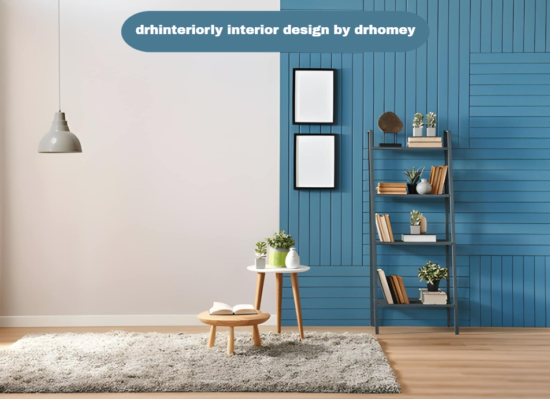
Last spring, I helped my sister redo her cramped two-bedroom apartment in Phoenix on a budget that barely covered new throw pillows, let alone a full renovation. We spent about $400 total, and by the time we were done, three different friends asked if she’d hired a designer. That experience is what got me obsessed with drhinteriorly interior design by drhomey, a philosophy I stumbled across while researching low-cost styling hacks for that exact project.
What I appreciated immediately was that it doesn’t treat “budget” as a dirty word. So much of what passes for design advice online assumes you have a few thousand dollars to drop on accent chairs. This approach flips that script, focusing on layering, lighting, and intentional choices rather than expensive purchases.
Why Budget Design Doesn’t Mean “Cheap Looking”
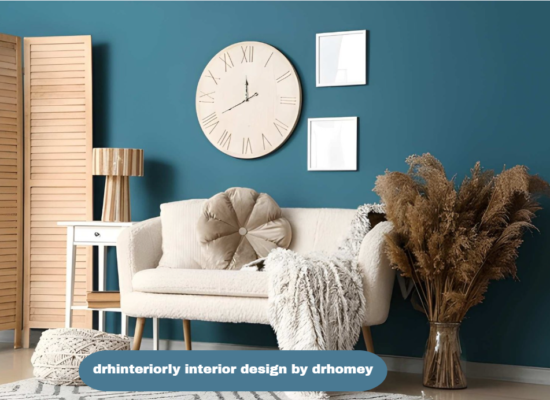
There’s a difference between a room that looks inexpensive and a room that simply didn’t cost much. The gap comes down to a few things: proportion, color cohesion, and texture. I learned this the hard way after my first apartment, where I bought a bunch of mismatched dollar-store decor thinking quantity equaled coziness. It looked cluttered, not curated.
When I revisited the space using principles from drhinteriorly interior design by drhomey approaches, I started with one rule: pick a color story first, then shop. That single shift changed everything. Suddenly, a $12 thrifted vase and a $30 lamp from a clearance rack looked like they belonged together because they shared warm undertones.
The Power of “Anchor Pieces”
One concept that stuck with me is the idea of an anchor piece—one item in a room that draws the eye and sets the tone, even if everything else is modest. In my sister’s living room, that was a secondhand wooden coffee table we sanded and oiled ourselves over a weekend. It cost $25 from a local Facebook Marketplace listing. Everything else — the rug, the throw blankets, the side tables — was chosen to complement it, not compete with it.
This is one of the core tips drhomey shares often: spend your limited budget on one or two pieces that have visual weight, and let cheaper accessories support them rather than fight for attention.
Lighting: The Most Underrated Budget Tool
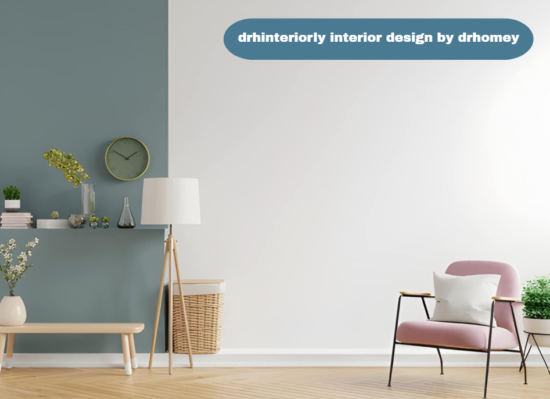
I cannot overstate how much lighting changed the feel of every room I’ve worked on. Overhead lighting alone — especially the harsh builder-grade fixtures most rentals come with — flattens a space and makes it feel sterile, almost like a doctor’s waiting room.
Here’s what actually worked for us:
- Ambient Warmth: Swapped one ceiling bulb for a warm-toned LED (2700K), which instantly made the room feel cozier
- Task Lighting: Added a $15 plug-in sconce near the reading chair
- Accent Depth: Used battery-operated puck lights inside a bookshelf to create depth and shadow play
- Soft Layers: Layered in a floor lamp with a fabric shade to soften shadows on the walls
None of this required an electrician or a lease violation, which matters a lot for renters across the USA dealing with strict property management rules.
Real Numbers: What We Actually Spent
I kept a rough log of expenses during my sister’s apartment refresh because I wanted to see if “luxury on a budget” was realistic or just a marketing phrase. Here’s the honest breakdown:
| Item | Source | Cost |
| Coffee table (refinished) | Facebook Marketplace | $25 |
| Warm LED bulbs (4-pack) | Local hardware store | $14 |
| Throw pillows (3) | Thrift store | $9 |
| Plug-in wall sconce | Online clearance | $15 |
| Area rug (8×10, secondhand) | Estate sale | $40 |
| Framed prints (set of 3) | Print-at-home + frames from dollar store | $18 |
| Curtains | Discount retailer sale | $22 |
| Plants (2 medium pothos) | Local nursery | $16 |
That’s a total of $159 for items alone.The remaining balance of our $400 budget went toward room paint, hardware spray paint, fabric deep cleaner, and mounting supplies. The labor was entirely our own time on a Saturday afternoon
Color Choices That Read as “Expensive”
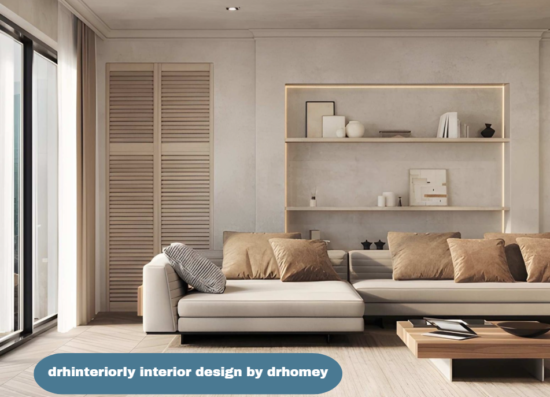
This is something I genuinely didn’t expect to matter as much as it did. Bright white walls, while clean, can sometimes make a small space feel like a blank canvas that was never finished. We went with a warm greige tone on one accent wall — about $35 for a quart of paint, which was more than enough for a single wall in a smaller bedroom.
Pairing that wall with brass or gold-toned hardware (even spray-painted brass over existing knobs) gave the room a warmer, more “designed” feel without buying new furniture. This is one of those small details that interior design drhomey emphasizes—small material and finish changes often have outsized visual impact compared to buying entirely new pieces.
Texture Layering on a Tight Budget
Texture is the one area where I think most budget makeovers fall short, mostly because texture often gets associated with expensive materials like velvet or wool. But you don’t need expensive fabric to create texture contrast. We used:
- Storage: A woven basket (thrifted, $6) for blanket storage
- Grounding: A jute placemat repurposed as a small accent rug under a side table
- Window Treatments: Linen-look curtains (polyester blend, but visually similar from a distance)
- Greenery: A ceramic bowl with dried eucalyptus from a grocery store floral section
Each of these items individually looks unremarkable, but combined, they break up what would otherwise be a flat, one-note room.
Furniture Arrangement: Free, But Often Ignored
Before spending a single dollar, we rearranged the existing furniture three different ways before settling on a layout. The original setup pushed everything against the walls, which is a common instinct in small apartments but actually makes rooms feel smaller and less intentional.
Pulling the sofa about a foot away from the wall and angling the coffee table slightly created a more conversational, lived-in feel. This is genuinely one of the best design principles I recommend to literally everyone first, because it costs nothing and takes maybe twenty minutes.
What I’d Do Differently Next Time
Honesty matters here, so I’ll admit a few things didn’t go as planned. The thrifted rug we bought had a faint odor that took two outdoor airings and a baking soda treatment to fully neutralize. If you’re sourcing secondhand textiles, factor in that extra step — it’s not a dealbreaker, but it’s not glamorous either.
The framed prints we made looked slightly less crisp than I expected once framed. If image clarity matters to you, it’s worth spending a few extra dollars to print on high-quality cardstock at a local print shop rather than using standard paper.
A Quick Checklist for Anyone Starting Out
If you’re about to start your own budget refresh, here’s roughly the order I’d follow based on what worked (and what didn’t):
- Start with lighting—it’s the cheapest change with the biggest visible impact
- Pick one anchor piece and build your color palette around it
- Shop secondhand first for furniture and retail last for textiles
- Rearrange before you buy anything new
- Add texture through small, inexpensive accessories
- Don’t skip the “boring” steps like cleaning thrifted items thoroughly
Final Thoughts
Budget-friendly design isn’t about pretending you have more money than you do—it’s about being deliberate with the money you have. After working through this project myself, I genuinely believe drhinteriorly interior design by drhomey offers a realistic, grounded approach for people in the USA who want their homes to feel warmer and more put-together without financial stress.
If you’re sitting in a room right now that feels “off” but you can’t quite explain why, start small. Move one piece of furniture. Swap one lightbulb. Add one plant. You don’t need a plan for the whole house — you just need a starting point, and you can build from there as your budget and ideas allow.