

A few years ago, I visited a friend’s home in Arizona that completely changed the way I think about home improvement. The apartment was not large, expensive, or professionally designed. Yet the moment I walked in, the space felt calm, organized, and comfortable.
What stood out to me was not luxury furniture or trendy décor. It was the way every corner had a purpose. Lighting felt natural, storage was smart, and the home simply worked better for daily life.
That experience made me understand why so many people now search for tips DrHomey instead of complicated renovation advice. Homeowners today want practical upgrades that improve comfort, save space, and create a healthier lifestyle without spending thousands of dollars.
This guide covers the most effective and realistic strategies I have personally noticed in modern American homes.
How Tips DrHomey Improve Modern Home Living

Traditional home improvement used to focus mostly on appearanceIn 2026, people are thinking about their homes differently. Instead of focusing only on appearance, most homeowners now want spaces that feel comfortable, practical, and easy to live in every day.
From what I’ve personally noticed, especially in smaller apartments and compact homes, people care more about things like the following:
- Keeping the home organized without extra effort
- Creating spaces that serve multiple purposes
- Having layouts that feel open and less stressful
- Making cleaning quicker and easier
- Using lighting and colors that make the home feel warm and relaxing
That is why tips DrHomey are becoming increasingly relevant. They focus on creating homes that support real lifestyles instead of simply looking decorative.
A friend of mine in Seattle recently removed half the unnecessary furniture from her living room. Surprisingly, the room immediately felt larger and more relaxing without buying anything new.
Smart Space Planning for Small and Large Homes

One of the biggest mistakes homeowners make is using space inefficiently. I have noticed this repeatedly in both apartments and family homes.
Use Rooms Based on Daily Behavior
Instead of designing a room for appearance alone, design it around how you actually live.
For example:
- If you work remotely, prioritize a quiet workspace
- If you cook often, maximize kitchen accessibility
- If your family gathers in the living room, keep movement open and natural
Keep Walking Paths Clear
Crowded furniture layouts create mental stress. Open pathways make a room feel larger and calmer.
Choose Function Over Decoration
Many people buy decorative items that take up space but provide no practical value. The best design tips focus on usefulness first
Interior Design Ideas That Make Homes Feel More Comfortable

I once stayed at a relative’s home in Florida where the design felt incredibly peaceful even though the furniture was simple. The reason was balance.
When looking at successful interior design, the most comfortable homes usually follow a few simple principles:
Neutral Colors Create Calmness
Soft whites, warm beige tones, and muted gray shades make rooms feel cleaner and brighter.
Natural Light Makes a Huge Difference
I’ve noticed that homes with more natural daylight usually feel fresher, brighter, and far more welcoming. Even a simple room can feel warm and comfortable when sunlight is allowed to flow naturally through the space.
Consistency Often Looks Better Than Luxury
One thing I’ve seen repeatedly is that a well-organized home with balanced colors and matching décor often feels more elegant than a space filled with expensive but mismatched items. Simplicity and consistency usually create a calmer atmosphere.
Tips That Actually Improve Everyday Living

Most online home advice sounds impressive but becomes unrealistic in daily life. However, I’ve noticed that a few simple daily habits can consistently improve how comfortable a home feels.
Fix Small Problems Immediately
Small issues like loose handles, leaking taps, or tangled cables may not seem serious at first, but over time they make a space feel neglected and less comfortable to live in.
Maintain Your Home with Professional Help:
Certain tasks, from routine maintenance to small repairs, can be easier to manage with reliable home services, helping keep your space functional, organized, and comfortable without taking time away from your daily routine.
Use Vertical Storage Wisely
In many modern homes, especially apartments, using wall-mounted shelves and tall cabinets helps free up floor space and makes the room feel more open and organized.
Keep Visual Clutter Under Control
Too many decorative items or unnecessary objects can make a room feel crowded and mentally tiring. A cleaner, simpler setup usually creates a more peaceful environment.
Minimal but intentional decoration works better long-term.
Create Daily Reset Habits
One simple habit I personally started using is resetting rooms for five minutes every evening. It prevents clutter from building up during the week.
These drHomey handy tips may look simple, but they create long-term improvements in how a home functions.
Budget-Friendly Home Improvement Without Overspending

One thing I genuinely appreciate about modern home improvement trends is that people are becoming smarter with money.
I’ve noticed that many homeowners now prefer gradual upgrades instead of doing expensive full renovations all at once. Small, consistent improvements often make a bigger difference over time.
Some of the most effective low-cost improvements include:
- Repainting walls in lighter shades to brighten the space
- Updating old lighting fixtures for a fresher look
- Using mirrors to reflect light and make rooms feel larger
- Adding indoor plants for a more natural, refreshing feel
- Rearranging furniture before spending money on new items
What’s interesting is that these simple upgrades often create a more noticeable transformation than expensive décor purchases. In my experience, modern home improvement often overlaps with interior design drHomey, especially when focusing on comfort, simplicity, and functional living spaces.
How Lighting Affects Mood and Productivity at Home
Lighting is one of the most overlooked parts of home design, yet it has a huge impact on how a room feels and how people function in it.
From my experience visiting different homes, I’ve noticed:
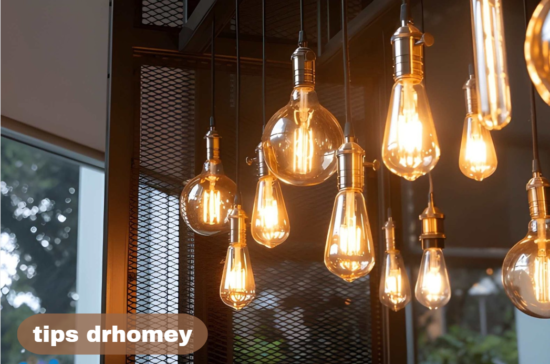
- Warm lighting usually creates a relaxed and cozy atmosphere
- Harsh white lighting can sometimes feel too intense or stressful
- Layered lighting (mixing lamps, ceiling lights, and accent lights) makes a home feel more modern and balanced
A friend in New York recently switched from strong overhead lighting to softer lamps and warm bulbs, and the entire space instantly felt more comfortable and inviting.
The difference in comfort was immediate.
This is one of the most effective ways to improve a room’s atmosphere without requiring major renovation.
Common Home Improvement Mistakes People Still Make
Even beautiful homes can feel uncomfortable when basic design mistakes are ignored.
Here are the most common problems I continue to notice:
Buying Furniture Before Measuring
Oversized furniture instantly reduces room functionality.
Following Trends Blindly
Not every online trend fits every home layout or lifestyle.
Ignoring Storage Planning
Without organized storage, clutter eventually takes over any room.
Overdecorating Walls
Too many frames, shelves, and decorations create visual overload.
Avoiding these mistakes is often more valuable than adding expensive upgrades.
Why the Focus Must Shift From Decoration to Lifestyle
What makes this approach different from traditional home improvement advice is the strong focus on improving everyday lifestyle and comfort.
A well-designed home should:
- Reduce stress
- Support productivity
- Improve comfort
- Simplify daily routines
The homes that feel best are usually not the most expensive ones. They are the homes designed around real human behavior.
That is something I have consistently noticed across many modern American households.
Final Thoughts on Tips DrHomey for Better Living
After observing different home setups and lifestyle habits, I’ve realized that successful home improvement isn’t about achieving perfection. It’s really about creating a space that fits naturally into your everyday life and makes daily routines easier and more comfortable.
The most effective tips DrHomey are usually the simplest:
- Keep spaces organized
- Prioritize comfort over trends
- Improve functionality room by room
- Focus on atmosphere, not clutter
Whether you live in a small apartment or a large family home, thoughtful improvements can completely change how your home feels without requiring a massive budget.
Building a showroom is not the aim. The goal is to create a home that genuinely supports better living every single day.


Pingback: Home Styling Ideas for Small Spaces: 15 Ways to Make Every Room Work Interior Design Drhomey
Pingback: Drhomey Interesting Facts: Surprising Home Design Ideas and Smart Living Insights Interior Design Drhomey
Pingback: Ultimate Hispanic Flowers Interior Design Guide: Stunning Patterns, Palettes, and Floral Accents Interior Design Drhomey