

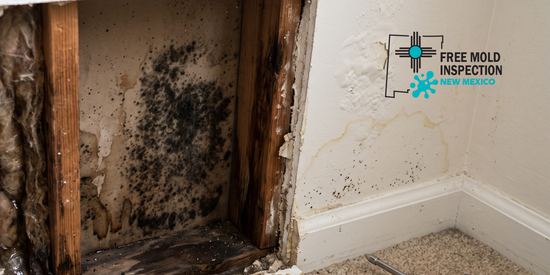
New Mexico is world-renowned for its arid landscapes, cloudless skies, and low average humidity. Because of this dry reputation, many property owners assume that fungal growth and indoor air contamination are concerns exclusive to coastal or tropical regions.
However, indoor microbial colonization does not depend on regional outdoor climate, it depends entirely on isolated indoor microclimates.
From summer monsoon downpours and evaporative cooler malfunctions to hidden plumbing leaks, properties across Albuquerque, Santa Fe, and Las Cruces regularly harbor undetected moisture reserves.
Understanding the unique environmental factors at play reveals why scheduling a certified Mold Inspection in New Mexico is often the deciding factor in protecting both indoor air quality and structural integrity.
The High Desert Dilemma: How Fungi Thrives in Arid Climates
Mold spores exist naturally outdoors worldwide. For spores to germinate into active colonies, they require only organic substrate (drywall, wood framing, carpeting) and sustained moisture, often for as little as 24 to 48 hours.
In the Southwest, several regional factors accelerate this process behind finished walls:
Evaporative (“Swamp”) Coolers
While energy-efficient in dry environments, swamp coolers introduce gallons of water-saturated air directly into home ductwork. Inadequately vented systems, cracked reservoirs, or failing pads frequently spike indoor relative humidity well above the recommended 30–50% threshold.
Monsoon Season Moisture Intrusion
Summer flash storms deliver intense, sudden deluges. Adobe, stucco, and flat parapet roofs common in Southwestern architecture can develop micro-cracks over dry winter months, permitting sudden water intrusion during heavy summer rains.
Radical Temperature Swings
The high elevation creates sharp day-to-night temperature drops. Warm, indoor air meeting cold exterior walls creates hidden condensation pockets inside crawlspaces and exterior wall cavities.
Critical Signs a Property Needs Professional Assessment
Surface growth is rarely the first indicator of an issue.
More often, spores colonize spaces that remain completely invisible during daily life:
- Persistent Earthy or Musty Odors: A continuous earthy smell near baseboards, under cabinets, or around HVAC return vents signals the presence of microbial volatile organic compounds (mVOCs).
- Unusual Health Issues That Improve Away From the Home: Persistent coughing, nasal irritation, allergy-like symptoms, or irritated eyes that become less noticeable after leaving the property may suggest an indoor air quality problem. In some cases, these symptoms can be associated with elevated levels of airborne mold spores or other environmental irritants.
- Ghosting and Cosmetic Staining: Peeling paint on stucco exteriors, bubbled drywall, or faint water tide-marks around window sills indicate prior or ongoing leaks.
- Aging Flat Roofs and Parapets: Ponding water on flat roofs eventually finds mechanical penetrations, slowly saturating attic insulation without causing immediate ceiling drips.
When unexplained symptoms or subtle moisture markers appear, retaining an independent third-party specialist for a thorough Mold Inspection in New Mexico ensures building owners receive an objective analysis before embarking on expensive, unneeded structural tear-outs.
What a Comprehensive Environmental Assessment Involves
Qualified environmental assessors do not rely on visual checks alone.
A thorough indoor environmental assessment incorporates rigorous scientific instrumentation to evaluate the entire building envelope:
Thermal Imaging (Infrared Thermography)
Detects subtle temperature differentials behind drywall and flooring, pin-pointing hidden active moisture trails without cutting exploratory holes.
Calibrated Moisture Meters
Both pin and pinless meters measure moisture levels in building materials to verify whether structural framing remains wet.
Spore Trap Air Sampling
Air cassettes collect baseline outdoor control samples and comparative indoor samples to measure airborne spore concentrations by genus (e.g., Aspergillus, Penicillium, Stachybotrys, Cladosporium).
Surface Swab and Tape-Lift Testing
Confirms whether visible discoloration represents active fungal hyphae or inert cosmetic staining.
Independent Lab Reporting
Reputable inspectors send collected samples to an AIHA-accredited laboratory for analysis and provide transparent recommendations for remediation without any financial conflict of interest.
Securing Southwest Properties Against Hidden Moisture Risks
Don’t let the dry Southwest climate fool you. Modern buildings create their own microclimates, meaning hidden monsoon leaks or aging swamp coolers can quickly compromise indoor air quality and structural integrity.
Catching microbial growth at the first sign of a musty odor prevents costly remediation projects down the line.
If you suspect hidden moisture, consulting specialists like Free Mold Inspections NM provides the objective analysis needed to identify the exact scope of the issue.
Stay proactive to ensure your indoor air remains just as pristine as the desert skies outside.
Frequently Asked Questions
Can Mold Grow in New Mexico Despite the Dry Climate?
Yes. Mold relies on localized indoor moisture, not outdoor air. Plumbing leaks, cooler overflows, UV-damaged roof flashings, and crawlspace condensation create optimal conditions for fungal growth, regardless of the dry desert climate outside.
How Does Mold Inspection Differ From Remediation?
An inspection is a diagnostic assessment by a consultant to locate moisture, sample spores, and draft a corrective protocol. Remediation is the physical removal of contaminated materials by a contractor. Using separate companies prevents conflicts of interest.
How do swamp coolers contribute to indoor fungal growth?
Swamp coolers pull air across water-soaked pads. Neglected pads can breed biological growth. Without proper window exhaust, indoor humidity can easily exceed 60%, causing sustained condensation inside ductwork, closets, and drywall cavities.