

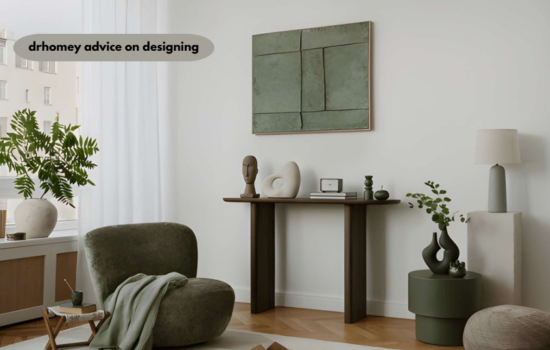
Drhomey advice on designing is a collection of practical, no-fluff interior design tips that help everyday homeowners and renters improve room layouts, color choices, and furniture placement without hiring a professional. It focuses on realistic budgets, small-space solutions, and confidence-building décor decisions.
I’ve spent the last few years testing out design advice on my own apartment, and honestly, most of it online is either too vague or written for people with unlimited budgets. That’s not real life. What drew me to Drhomey’s guidance back in 2023 was how grounded it felt—like getting tips from a friend who actually understands rental restrictions, tight square footage, and IKEA hacks that don’t look like IKEA hacks.
What Is Drhomey Advice on Designing?
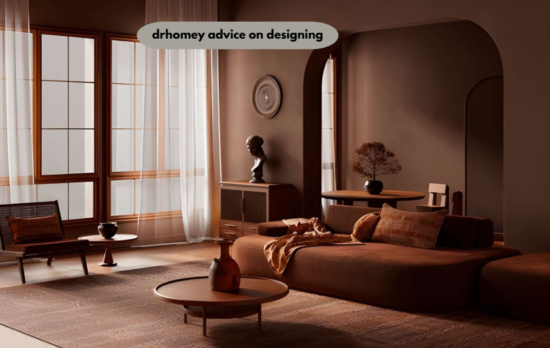
Drhomey advice on designing isn’t about aspirational Pinterest boards you’ll never actually pull off in real life. It’s practical—interior design broken down into steps you can actually follow.
What Makes Drhomey’s Design Approach Different From Other Advice Accounts?
Here’s the thing: Drhomey puts function first and looks second, which is basically the reverse of how most design influencers operate.
I noticed this the first time I saw a post breaking down why a coffee table was too big for a specific room size. Most accounts show you the finished, styled photo and stop there. What Drhomey does is explain the “why” behind a layout choice, like how traffic flow through a room actually matters more than whether your throw pillows match. Because of that reasoning-first style, it reads less like an ad and more like someone walking you through their own trial and error.
Is Drhomey Advice on Designing Free to Follow?
Yes, the core advice shared through Drhomey’s content is free and accessible through social platforms and blog-style posts.
You’re not locked behind a paywall to get the basics, which is honestly refreshing. A lot of design “gurus” gate their best tips behind courses that cost hundreds of dollars. From what I’ve seen, the free content alone covers layout basics, color theory, and small-space tricks that would normally take a paid consultation to learn.
How Do You Layout a Small Living Room?
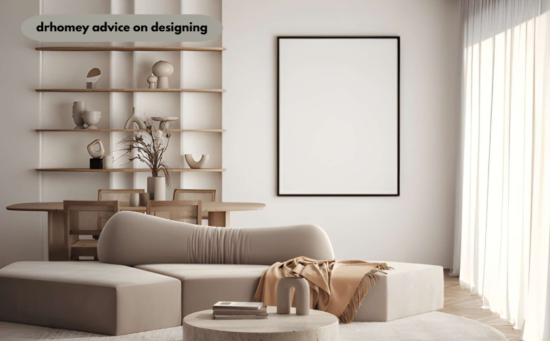
You layout a small living room by anchoring furniture around a single focal point, keeping walkways at least 30 inches wide, and floating furniture away from walls when the space allows it.
What Is the 60-30-10 Rule in Interior Design?
The 60-30-10 rule means 60% of a room uses a dominant color, 30% uses a secondary color, and 10% is reserved for an accent color.
I actually didn’t believe this rule mattered until I applied it to my own living room in 2022.60% of my space was occupied by my walls and enormous furniture, 30% by curtains and a rug, and 10% by a few throw pillows and a vase. The room instantly looked pulled together instead of random, which is wild considering I didn’t buy a single new piece of furniture.
How Far Should a Couch Be From a TV?
A couch should generally sit between 7 and 12 feet from a TV, depending on the screen size, according to general home theater sizing guides.
For a 55-inch TV, most guides suggest somewhere around 7 to 9 feet works best for comfortable viewing without straining your neck. I measured mine after reading a thread on a home improvement subreddit and realized my couch was actually too close, which was giving me mild headaches during movie nights. Moving it back just eighteen inches made a noticeable difference.
What Furniture Layout Makes a Small Room Look Bigger?
Furniture with visible legs, lighter colors, and pieces placed away from doorways make small rooms feel larger and more open.
People tend to shove furniture against every wall in a small room thinking it saves space, but that actually makes the room feel more cramped. What works better is pulling your sofa a few inches off the wall and leaving breathing room around entry points. It’s a small shift, but your eye reads the space as bigger because there’s flow instead of clutter.
What Are Easy Home Decor Tips for Beginners?
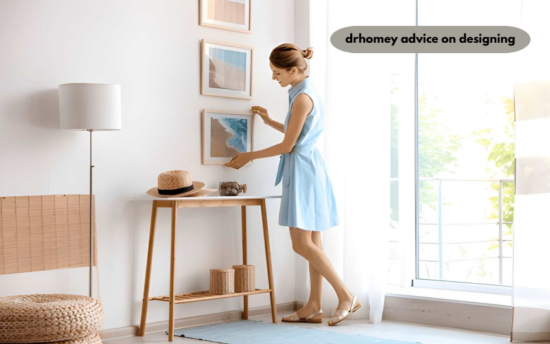
If you’re just starting out, keep it simple — play with lighting first, add one statement piece per room, and steer clear of matching furniture sets. They tend to look too staged, too showroom-y.
How Can I Decorate My Home on a Budget?
Budget decorating comes down to a few habits: shop secondhand, give existing furniture new life with paint, and pick one or two upgrades per room that’ll actually make a difference instead of trying to overhaul everything at once.
Facebook Marketplace has genuinely become my go-to tool for this. I found a solid wood dresser for $40 in 2023 that just needed new hardware and a coat of paint. That single piece changed the entire feel of my bedroom for under $60 total, hardware included.
Some other budget-friendly moves worth trying are these.
- You can swap out old cabinet knobs for new ones since it’s one of the cheapest updates that makes a kitchen look updated.
- You can add a large mirror to reflect natural light and make any room feel more open.
- You can layer rugs instead of buying one expensive statement rug, which gives texture without the big price tag.
What Colors Make a Room Feel Bigger and Brighter?
Soft whites, light greiges, and pale blues tend to make rooms feel bigger and brighter because they reflect more natural light than darker tones.
I painted a small guest bedroom a deep navy in 2021 because it looked amazing in photos online. In person, with limited natural light, it made the room feel like a cave. I repainted it a soft warm white a year later, and the same exact room felt twice as large; no furniture changes were needed.
Should Curtains Touch the Floor?
Yes, curtains should typically just graze or slightly puddle on the floor, since curtains that stop short of the floor make ceilings look lower.
This is one of those interior design drhomey style corrections that instantly upgrades a room. Most people hang curtains right above the window frame, which shortens the whole wall visually. Hanging them closer to the ceiling and letting them fall to the floor tricks the eye into thinking the room has more height.
Comparative Table: DIY Decorating vs. Hiring an Interior Designer
| Factor | DIY Decorating | Hiring an Interior Designer |
| Average Cost | $200 to $2,000 per room | $2,000 to $12,000+ per room |
| Time Investment | Weeks to months, self-paced | Days to weeks, professionally managed |
| Design Control | Full creative control | Shared, with designer guidance |
| Best For | Renters, budget-conscious homeowners | Full home renovations, complex spaces |
| Risk of Mistakes | Higher without guidance | Lower, backed by expertise |
How Do I Find Room Layout Inspiration Online?
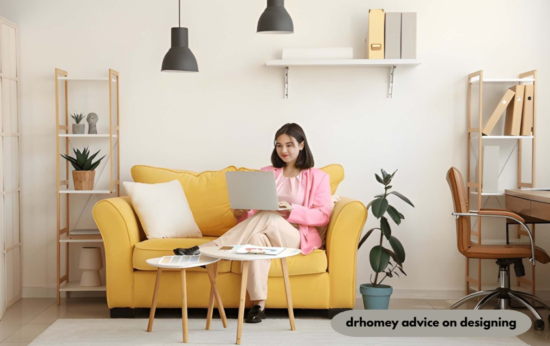
Pinterest, Instagram design accounts, and home decor blogs are all solid places to look—just aim for the ones showing real, replicable rooms instead of polished showroom shots that don’t translate to actual living spaces.
Where Can I Find Free Room Design Ideas on Pinterest?
Pinterest’s got plenty to offer for free—curated boards, search suggestions, and saved pin collections sorted by room type or style, all there for the browsing.
Before my last apartment move in 2023, I put together a whole moodboard on Pinterest—and it actually saved me from buying furniture that never would’ve fit the new layout.
My trick: ditch the generic searches like “living room” and get specific instead—something like “small apartment layout ideas. ” You’ll end up with way more realistic, actually usable results.
What Makes Drhomey’s Interior Design Approach Stand Out?
Drhinteriorly interior design by Drhomey is known for combining practical layout advice with achievable, budget-conscious styling tips that regular homeowners can actually execute.
It’s not about showing off a fully renovated dream home. It’s about showing the messy middle part, the trial and error that most design content skips over entirely.
Frequently Asked Questions Section
How Do I Start Designing My Own Home?
Start by decluttering the space completely, then measure the room before buying or moving any furniture.
Most design mistakes happen because people skip measuring. Grab a tape measure and your phone’s notes app before you even think about shopping.
What Is the First Rule of Interior Design?
The first rule of interior design is to establish a clear focal point in every room before arranging anything else around it.
Do I Need a Big Budget to Redesign a Room?
Nope, you don’t need a huge budget to redesign a room. Small stuff—paint, lighting, rearranging what you’ve already got—can transform a space for under $300.
A few things that consistently deliver the biggest visual impact for the lowest cost are these.
Repainting a single accent wall rather than the entire space.
Switching out lampshades or bulbs for warmer lighting temperatures.
Rearranging existing furniture before buying anything new at all.
Final Thoughts
Drhomey advice on designing works because it strips away the pressure to have a magazine-perfect home and focuses on what actually makes a space function well and feel good to live in. Over the years, I’ve made a lot of design errors, such as using paint colors that weren’t appropriate or placing furniture that was too large for the space.
All of these issues have been resolved by using the fundamentals discussed here. If you’re staring at a room right now feeling stuck, don’t overthink it. Pick one tip from this list, whether it’s moving your couch a few inches or swapping out a lampshade, and just start there this weekend.