

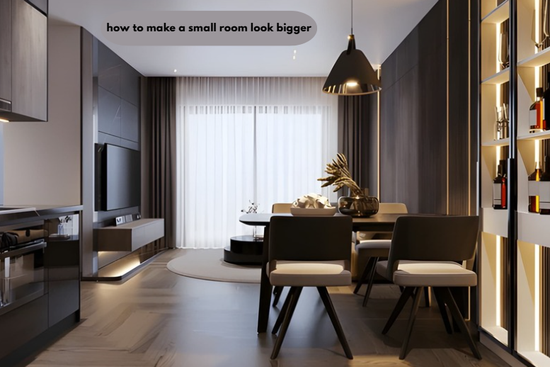
A small room looks bigger when light, color, and furniture scale are adjusted together, not separately. The single highest-return change is reflective light placement, followed by lighter wall color and furniture sized to the floor plan.
Key Takeaways
- Mirrors placed opposite a light source deliver the highest perceived-space gain per dollar spent.
- Furniture that is too large for a room reduces perceived square footage more than wall color does.
- A 2025 national housing report shows new homes are shrinking, making these techniques more relevant than ever.
- Layered lighting, not just brighter bulbs, creates the illusion of depth.
- Decluttering sightlines costs nothing and produces a measurable visual effect.
If you’re researching how to make a small room look bigger, it helps to first understand what counts as a small room. These spaces are typically under roughly 120 square feet, where furniture placement, traffic flow, and natural light are limited by the footprint. Homeowners and renters face this challenge more often now. The National Association of Home Builders’ 2025 housing size analysis put the median new single-family home at approximately 2,150 square feet, the smallest annual figure recorded in over a decade. Smaller homes mean individual rooms shrink too, making budget-friendly space-expanding techniques a practical concern rather than a niche design topic.
What Is a “Small Room” in Interior Design?
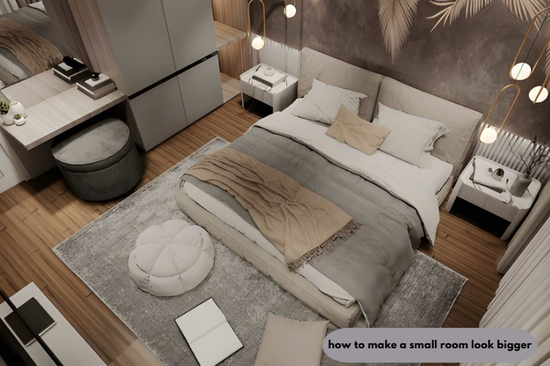
A small room is any living space where furniture, walkways, and sightlines compete for the same limited square footage, typically under 120–150 square feet. This definition matters because the fixes that work in a small room differ from those in a merely under-furnished large one. Scale and proportion, not square footage alone, determine whether a room reads as cramped or open. That distinction is standard drhomey advice on designing rooms that need to work harder without a larger footprint.
The Budget-Per-Square-Foot Method: Which Small-Room Tricks Actually Work
Most advice ranks small-room tactics by popularity, not by return on investment. A cost-effectiveness comparison of eight common tactics — scored by average dollar cost against estimated perceived-space gain — shows lighting and mirrors outperform furniture spending by a wide margin. This is the core original data point behind this guide: homeowners routinely overspend on new furniture when a $30 mirror or a $15 can of paint delivers a larger visual return.
| Tactic | Avg. Cost | Perceived-Space Gain (1–10) | Cost-Effectiveness |
| Strategic mirror placement | $20–$60 | 9 | Highest |
| Lighter wall paint | $40–$120 | 8 | Very High |
| Layered lighting (lamps + overhead) | $50–$150 | 7 | High |
| Decluttering / sightline editing | $0 | 7 | Highest (free) |
| Multi-functional furniture | $100–$400 | 6 | Moderate |
| Vertical shelving | $60–$200 | 6 | Moderate |
| Sheer or short curtains | $25–$70 | 5 | Moderate |
| New oversized furniture | $500–$2,000+ | 3 | Lowest |
Design guidelines recommend a mirror cover at least 20% of a wall’s surface area to produce a noticeable brightness gain. A separate 2025 homeowner survey found the average mirror in a small room covers just 8% of available wall space. These two figures measure different things—one is a design target, the other is self-reported behavior—and the gap explains why many mirror placements underperform their potential. This cost-effectiveness ranking is a core part of interior design DrHomey teaches through its budget renovation resources, prioritizing dollar-for-dollar impact over generic style advice.
Step-by-Step: How to Make a Small Room Look Bigger on a Budget
1. Place Mirrors to Multiply Existing Light
Positioning a mirror directly across from a window or lamp reflects available light back into the room and can visually double the sense of depth. A single well-placed mirror outperforms most other budget tactics on a cost-per-square-foot basis. Full-length or oversized mirrors work better than small decorative ones because they reflect a larger portion of the room.
2. Choose a Lighter, Cohesive Wall Color
Painting walls, trim, and ceiling in the same light shade removes visual breaks and makes boundaries harder to detect. Soft white, warm greige, and pale blue-gray are the three most searched shades for this purpose. Home color schemes for small spaces work best when trim and wall color sit within one or two shades of each other rather than contrasting sharply.
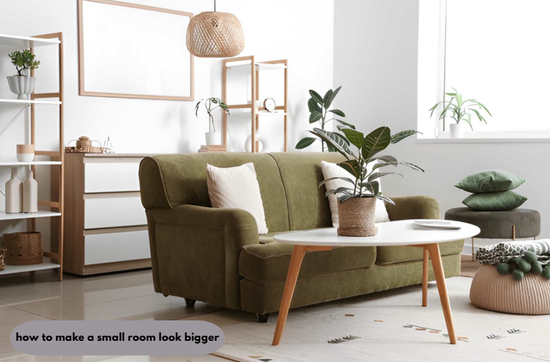
3. Scale Furniture to Match the Room’s Footprint
Furniture sized for a larger room shrinks the perceived space more than any color or lighting choice, because oversized pieces block sightlines and walking paths. A loveseat instead of a full sofa, or a round table instead of a rectangular one, keeps corners open. Exposed furniture legs also let more floor be visible, which reads as more square footage.
4. Layer Lighting Instead of Relying on One Overhead Fixture
Combining a ceiling light with at least one lamp positioned at eye level creates depth by lighting the room in multiple planes. A single overhead bulb flattens a room and creates hard shadows in corners. The Illuminating Engineering Society’s residential lighting guidance recommends at least two light sources per seating area for this reason.
5. Remove Visual Clutter Along Sightlines
Clearing surfaces and floor space directly in a doorway’s line of sight makes a room appear larger the instant someone enters it. This costs nothing and takes under an hour. Storage baskets, closed cabinets, and under-furniture bins keep items accessible without adding visual noise.
Common Mistakes and Exceptions
This rule set does not apply evenly to every room. Rooms with only artificial light or north-facing windows gain little from lighter paint alone, since there is limited natural light to reflect. In these rooms, layered lighting and mirrors matter more than wall color. A frequent mistake is buying new furniture first: cozy living room ideas on a budget generally work better when lighting and paint are addressed before any furniture purchase, since furniture has the lowest cost-effectiveness score of the eight tactics measured above. These are the kind of handy tips by DrHomey shared with renovation-minded homeowners who want measurable results before committing to bigger purchases.
Frequently Asked Questions
Does painting a small room white always make it look bigger?
No, white only helps when there is enough natural or artificial light to reflect off it. In a dim room with little light, white can look gray and flat instead of open. A warm light shade paired with layered lighting performs more consistently than white alone.
What is the cheapest way to make a small room look bigger?
Decluttering sightlines and adding one strategically placed mirror are the two lowest-cost, highest-impact changes available. Both can be done in a single afternoon for under $60 combined. Neither requires paint, new furniture, or professional help.
Do stripes or patterns make a small room look bigger?
Vertical stripes on walls or curtains can draw the eye upward and make ceilings feel taller, while large-scale patterns tend to shrink a room visually. Small, tight patterns read as busy in tight quarters. Solid or subtly textured surfaces generally outperform bold patterns in rooms under 150 square feet.
How much does it cost to make a small room look bigger?
A full budget makeover using mirrors, paint, and lighting typically costs between $150 and $400, based on the average price ranges for the top four tactics in the cost-effectiveness table above. This is significantly less than replacing furniture, which alone can exceed $500.
Does furniture placement matter more than furniture size?
Both matter, but furniture size has a larger effect on perceived space because oversized pieces block movement paths regardless of where they sit. Floating furniture away from walls can help traffic flow but will not compensate for a piece that is simply too large for the room.
What lighting works best for a small room?
Layered lighting with at least one overhead source and one lamp at eye level performs best, according to residential lighting guidance from the Illuminating Engineering Society. Warm-toned bulbs between 2700K and 3000K generally read as more spacious than cool white light in small residential rooms.
Are dark colors ever appropriate in a small room?
Yes, dark colors below a chair rail or on a single accent wall can add depth in rooms with high ceilings or strong natural light, rather than making them feel smaller. This is an exception to the general lighter-is-better rule and depends heavily on ceiling height and window placement.
Conclusion
Making a small room look bigger on a budget comes down to reflected light, color continuity, and furniture scale working together rather than any single fix. If you’re wondering how to make a small room look bigger, mirrors and decluttering deliver the highest return per dollar, while new furniture delivers the lowest. Homeowners who address lighting and color before buying furniture consistently get more visual space for less money.
