


Comprehensive guides drhomey are structured, room-by-room resources that walk homeowners through interior design, decor styling, and DIY improvement projects using practical steps rather than vague inspiration photos. They exist because most people don’t need another mood board. They need a plan they can actually follow on a Saturday afternoon.
I’ve been renovating and writing about homes since 2019. In 2022, I gutted a tiny guest bathroom on a $600 budget, armed with a bunch of Pinterest boards that turned out useless once I had a tape measure in hand. What actually helped was a simple checklist telling me what to buy, in what order, and why. That’s the whole philosophy behind this resource—real answers over eye candy.
How to Approach Interior Design Room by Room
What does interior design drhomey actually cover?
Interior design drhomey content covers layout planning, color theory, furniture scaling, lighting layers, and material selection, all broken down by room type so you’re not guessing what applies to your specific space.
Most design blogs show you a finished room and expect you to reverse-engineer it. A good guide flips that: it starts with your constraints—square footage, existing furniture, budget—and builds out from there. It’s the same approach I use when I consult on projects, and it’s how the National Kitchen and Bath Association trains professionals to think. Not a blogger trick — how designers who actually get paid for this operate.
How do I start a room makeover without getting overwhelmed?
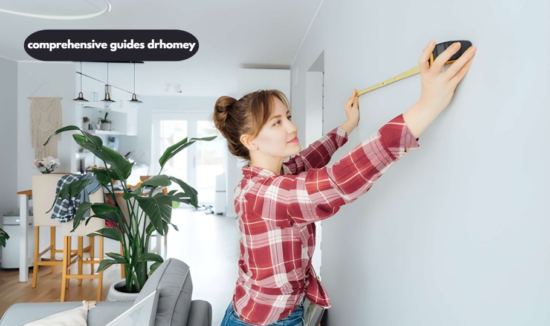
To start a room makeover without getting overwhelmed, follow this exact sequence before buying any furniture or paint:
- Measure the entire room, including doors, windows, and floor space.
- Identify your must-keep pieces like existing flooring or large furniture.
- Choose one anchor color to build the rest of your palette around.
Most people start backward. They buy a rug they love, then a couch, then realize nothing matches and the room feels chaotic. It’s the kind of thing Drhomey advice on designing tend to emphasize You pick your anchor first, usually the largest fixed element like flooring or a statement wall, and then everything else gets chosen to support it. I did this in my own dining room in 2023 using a Behr color sample and a $40 folding tape from Home Depot, and it took the guesswork out completely. No app, no fancy software, just a sequence that actually makes sense.
DIY Home Improvement Projects You Can Actually Finish This Weekend
What are the easiest DIY projects for beginners?
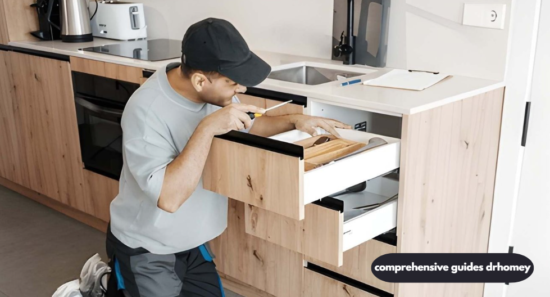
The easiest beginner DIY projects require no permits or specialized tools and can be completed in a few hours:
- Painting an accent wall for a fast visual shift
- Replacing cabinet hardware to update kitchens or vans
- Installing peel-and-stick backsplash tile for a budget tile look
I’ll be honest, I’ve botched two out of those three at some point, and that’s actually useful information. The backsplash one taught me that surface prep matters more than the product itself. If your wall isn’t clean and dry, even the best peel-and-stick tile from a brand like Smart Tiles will start lifting within a month. Reddit’s r/HomeImprovement community says the same thing constantly, and after seeing enough threads about failed projects, I stopped skipping that step myself.
How much does a small DIY renovation cost in 2026?
A small DIY renovation, like a bathroom refresh or accent wall, typically runs between $300 and $1,500 depending on materials and whether you’re hiring help for anything electrical or plumbing-related.
HomeAdvisor’s cost data has consistently shown labor as the biggest swing factor, and that hasn’t changed heading into 2026. If you’re handling the physical work yourself and just paying for materials, you can often land at the low end of that range. The moment you bring in a contractor for even one piece of the job, your number jumps fast, so it pays to know exactly which parts of a project actually require a license and which ones don’t.
Budget Home Decor Ideas That Don’t Look Cheap
How can I decorate my home on a tight budget?
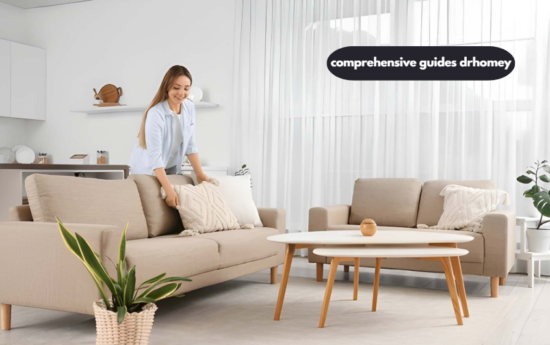
You decorate on a tight budget by prioritizing lighting and textiles over furniture, since those two categories change the feel of a room the most for the least money.
I learned this back in 2021, in a rental where I couldn’t paint or drill a single hole. Swapping harsh overhead bulbs for warm ones and layering in a few throw pillows did more for the space than any piece of furniture could’ve. Small shift, big difference — and it works whether you rent or own.
What is the 80/20 rule in home decorating?
The 80/20 rule means spending 80 percent of your decor budget on foundational pieces like your sofa or bedframe and only 20 percent on trendy accents you can swap out later.
This keeps you from blowing your entire budget on something trendy that looks dated in two years. I’ve watched friends drop serious money on a statement chair because it was everywhere on Instagram in 2020, only to be tired of it by 2022. Spend the bulk of your money on what stays, and treat the rest as disposable style, because trends move fast and your bank account shouldn’t have to keep up with all of them.
Comprehensive Guides Drhomey vs Other Home Design Resources

| Feature | Comprehensive Guides Drhomey | Generic Design Blogs | Hiring a Professional Designer |
| Step-by-step structure | Yes, room by room | Rarely | Yes, but custom-priced |
| Cost | Free to low-cost | Free | $50 to $200+ per hour |
| Personalization | Moderate, based on your inputs | Low, generic advice | High, fully tailored |
| Best for | DIY-minded homeowners | Casual browsing | Complex or high-end projects |
| Time investment | Self-paced | Self-paced | Scheduled consultations |
Frequently Asked Questions About Home Design and Drhomey Guides
People searching for comprehensive guides drhomey usually land on a handful of recurring questions, and these tend to show up in Google’s related searches too.
Is drhomey suitable for renters?
Yes, these step-by-step guides are fully suitable for renters because the advice focuses on non-permanent changes like paint alternatives, removable wallpaper, and furniture arrangement rather than structural work.
Do I need design experience to follow these guides?
No experience is needed. The instructions explain the reasoning behind each step , not just hand you a finished look to copy.
Can these guides replace hiring a contractor?
They only replace contractors for cosmetic work. Anything involving electricity, gas lines, or load-bearing walls still needs a licensed professional.
How often is home design content updated?
It should reflect current material costs and trends at least once or twice a year, since prices and product availability shift constantly.
Final Thoughts
If there’s one honest takeaway here, it’s that good home design advice isn’t about having perfect taste. It’s about having a clear process you can trust, room by room, project by project. That’s exactly what comprehensive guides drhomey are built to give you, whether you’re tackling a full living room overhaul or just trying to make one tired corner of your house feel intentional again.
If you’re staring at a room right now wondering where to start, don’t open another inspiration app. Grab a tape measure, pick your one anchor piece, and follow the sequence laid out above. That single step will save you more time and money than an entire weekend of scrolling.