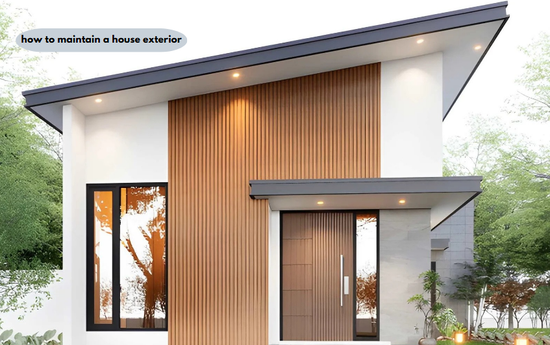

The exterior of a home is often the first impression it makes, and every design element contributes to its overall character. While homeowners once focused primarily on roofing, landscaping, and exterior paint, garage doors have become an increasingly important part of modern home design. Whether building a new property or renovating an existing one, many homeowners researching garage doors Christchurch are looking beyond basic functionality and considering how the garage door complements the architecture of the entire home. Rather than being treated as a purely practical feature, today’s garage doors are carefully selected to enhance curb appeal, reflect personal style, and create a cohesive exterior design.
The Shift From Utility to Design Statement
Historically, garage doors were chosen almost exclusively for durability and security. Their primary purpose was to protect vehicles and provide reliable access to the garage, with little attention given to aesthetics.
Over time, residential architecture has evolved, and homeowners have become more design-conscious. As a result, garage doors are now viewed as prominent visual elements that occupy a significant portion of a home’s façade.
This change has encouraged architects, builders, and homeowners to approach garage door selection with the same care given to windows, entry doors, and exterior finishes.
First Impressions Begin at the Street
A home’s street-facing appearance plays a major role in shaping perceptions of its overall quality and style.
Since garages often occupy a large percentage of the front elevation, the garage door naturally attracts attention. An outdated or mismatched design can diminish the visual appeal of an otherwise well-designed property.
Conversely, a thoughtfully selected garage door can:
- Enhance architectural balance
- Create visual harmony
- Improve perceived property value
- Highlight premium exterior finishes
- Strengthen curb appeal
This is why many renovation projects now include garage door upgrades alongside landscaping, exterior painting, and façade improvements.
Matching Garage Doors to Architectural Styles
Modern manufacturers offer an extensive range of designs that suit virtually every architectural style.
Contemporary Homes
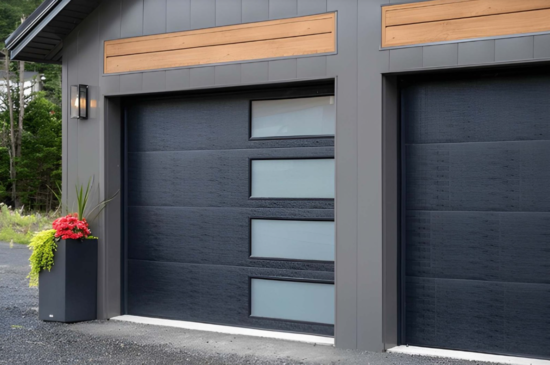
Contemporary properties often feature clean lines, minimalist detailing, and neutral colour palettes.
Garage doors for these homes typically include:
- Flush panel designs
- Aluminium frames
- Large glazed sections
- Matte finishes
- Horizontal lines
These features complement modern architecture without overwhelming the home’s overall appearance.
Traditional Residences
Classic homes benefit from garage doors that reinforce timeless architectural details.
Popular choices include:
- Raised panel designs
- Decorative hardware
- Carriage-style doors
- Timber-look finishes
- Symmetrical layouts
These elements help preserve the property’s traditional character while incorporating modern functionality.
Industrial-Inspired Designs
Industrial homes frequently combine raw materials with bold architectural features.
Garage doors in this style often incorporate:
- Steel finishes
- Dark colour schemes
- Large glass panels
- Exposed framing
- Minimal ornamentation
The result is a cohesive exterior that reflects the home’s contemporary industrial aesthetic.
Materials Influence Both Appearance and Performance
The choice of material affects far more than durability.
Different materials create distinct visual impressions while offering varying maintenance requirements and performance characteristics.
Common options include:
- Steel
- Aluminium
- Timber
- Composite materials
- Insulated panels
Each material contributes differently to the home’s architectural identity while also influencing long-term maintenance and energy efficiency.
Selecting the appropriate material involves balancing appearance, climate considerations, and practical requirements.
Colour Has Become a Key Design Decision
Garage door colour is no longer selected simply to blend into the background.
Instead, homeowners increasingly use colour to create contrast or reinforce existing architectural themes.
Some choose colours that complement:
- Roof materials
- Window frames
- Front entry doors
- Exterior cladding
- Fencing
- Landscaping features
Others intentionally create bold visual statements through darker finishes or contrasting tones that emphasise architectural lines.
Carefully coordinated colours contribute to a more polished and unified exterior.
Texture and Surface Finishes Add Visual Depth
Beyond colour, texture has become another important design consideration.
Modern garage doors are available in finishes that replicate:
- Natural timber grain
- Smooth contemporary panels
- Textured steel
- Matte coatings
- Brushed metallic surfaces
These finishes introduce depth and character while allowing homeowners to achieve specific architectural styles without sacrificing durability.
Timber-look materials, for example, provide the warmth of wood while requiring less ongoing maintenance.
Glass Features Bring Natural Light and Modern Appeal
Glazed garage door panels have become increasingly popular, particularly in contemporary homes.
Glass inserts offer several advantages:
- Increased natural light
- Modern visual appeal
- Enhanced architectural interest
- Improved interior visibility
Depending on privacy requirements, homeowners may choose from clear, frosted, tinted, or opaque glazing options.
These features help create a lighter, more sophisticated exterior while maintaining practical functionality.
Energy Efficiency Is Part of Modern Design
Architectural design increasingly considers both appearance and performance.
Insulated garage doors contribute to:
- Improved indoor comfort
- Reduced heat transfer
- Better temperature regulation
- Lower energy consumption
- Quieter operation
For homes with attached garages or living spaces above the garage, insulation can enhance both comfort and energy efficiency.
This demonstrates how design choices now support practical performance alongside visual appeal.
Technology Complements Contemporary Architecture
Modern garage doors increasingly integrate smart technology that aligns with today’s connected homes.
Features may include:
- Smartphone operation
- Remote monitoring
- Automatic locking systems
- Motion sensors
- Integrated security alerts
These innovations improve convenience while maintaining the clean aesthetics expected in contemporary residential design.
Technology has become an extension of architectural thinking, combining functionality with streamlined appearance.
Personal Expression Through Exterior Design
Homeowners increasingly view their properties as reflections of personal taste and lifestyle.
Garage doors provide another opportunity to express individual design preferences while complementing the broader architectural vision.
Rather than selecting standard models based solely on price, many homeowners carefully evaluate design details that contribute to a distinctive and cohesive exterior.
This attention to detail helps create homes that feel thoughtfully designed from every angle.
A Defining Feature of Modern Residential Architecture
Garage doors have evolved far beyond their traditional role as functional entry points for vehicles. They now play an essential part in shaping a home’s architectural identity, influencing everything from curb appeal and material selection to colour coordination and overall design harmony.
As homeowners place greater emphasis on creating cohesive, visually appealing exteriors, garage doors have become integral to architectural planning rather than an afterthought. By combining thoughtful design, quality materials, energy-efficient construction, and modern technology, today’s garage doors contribute meaningfully to both the appearance and performance of contemporary homes, reinforcing their importance as a defining feature of residential architecture.