

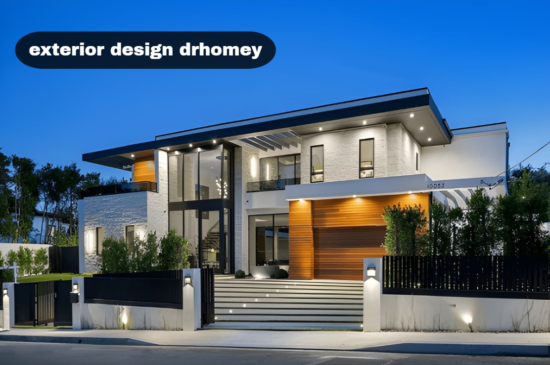
The outside of your home speaks before anyone walks through the door. It sets the tone, shapes the first impression, and tells people whether the property has been cared for. Yet most American homeowners treat the exterior as an afterthought. Paint fades. Shrubs overgrow. The front porch collects clutter. And a house that could feel warm ends up looking tired.
Exterior design DrHomey changes that. This approach treats outdoor spaces as a real design priority, pulling together color, materials, landscaping, and lighting into one cohesive plan. This guide covers what actually matters: architecture, materials, color, landscaping, lighting, and outdoor living. No fluff, just honest guidance you can act on.
Start With Your Home’s Architecture
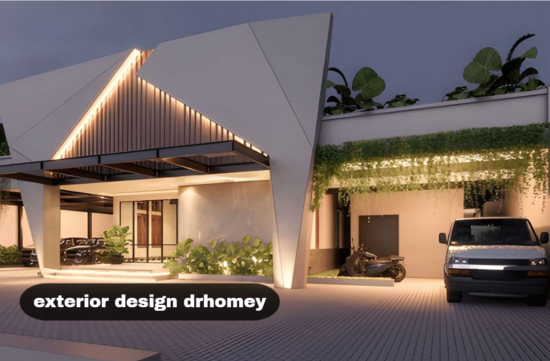
Before buying paint or pulling weeds, understand what your home is already asking for. Every architectural style has a design vocabulary. A craftsman home lives through wide porches, tapered columns, and exposed rafter tails. A colonnade relies on symmetry and simple classical details. A mid-century modern home connects inside to outside through large windows and clean horizontal lines.
When updates match the architecture, they feel natural. When they fight it, something always looks off even if you cannot name exactly why. Walk around your property, photograph it from multiple angles, and look at what the structure is already telling you. Most of the time, the right direction is already visible in the bones of the building.
This is one of the most practical drhomey handy tips you will find: assess before you spend. Skipping this step is the most common reason exterior renovations look expensive but feel incomplete.
Choosing Materials That Hold Up
Materials are where exterior design drhomey either holds for decades or starts falling apart in five years. The right choices depend on your climate, your architecture, and how much ongoing maintenance you are willing to do.
Fiber cement siding is one of the most widely used materials across the United States for good reason. It resists moisture, insects, and fire better than natural wood. It does not warp in temperature fluctuations and retains paint nicely. It is frequently the most sensible long-term option for regions with high rainfall or humid weather.
Natural stone and manufactured stone veneer carry a visual weight that adds depth and permanence to a facade. Manufactured stone has narrowed the gap with natural stone considerably in terms of appearance, and it is lighter and easier to install. In American house construction, brick is still one of the most reliable exterior materials. It is low maintenance, weathers well, and improves in character over time.
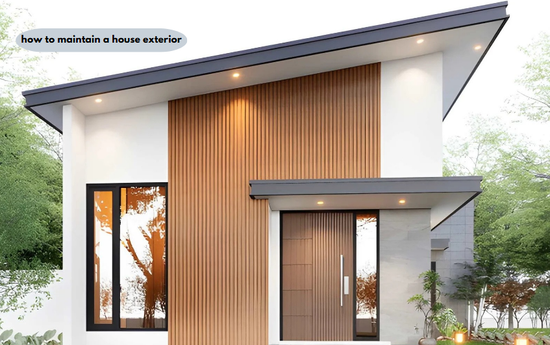
When mixing materials, look for contrast without conflict. Stone at the base, siding above. Wood accents are at the entry, and brick flanks the garage. The combinations that work best have a clear logic to where each material sits on the facade.
Color Strategy That Actually Works
Warm neutrals are replacing cool grays across American exteriors in 2026. Creams, sandy whites, warm taupes, and earthy beiges feel more natural against organic materials like stone and brick. They also tend to age better than trend-driven palettes.
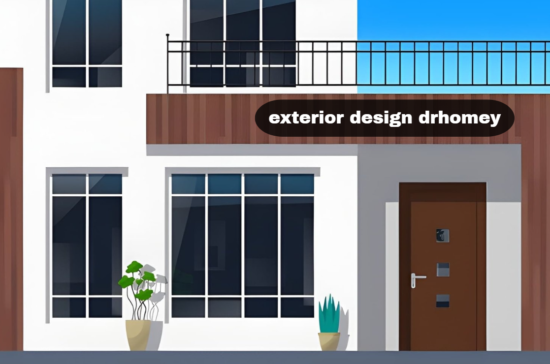
A solid color strategy has three parts. The primary color covers the siding. The secondary color handles the trim, window frames, and corner boards. The accent color lands on the front door. These three should feel like they belong to the same sentence without being identical.
Dark front doors continue to perform well because they create a focal point on the facade. Navy, forest green, deep charcoal, and black all work depending on the siding color behind them.
One tip that saves homeowners money and regret: test paint colors on your actual exterior surface before committing to them. Paint reads completely differently on your siding in your light than it does on a sample card under store lighting. Buy quart samples, paint large swatches, and check them in morning and evening light before making a final decision.
Landscaping as Structure, Not Decoration
Effective landscaping works in layers. Taller elements at the back or sides of the property create a backdrop. Mid-level shrubs and ornamental grasses fill the middle. Ground-level plants, mulch, and hardscape surfaces anchor everything at the base. When these layers are missing, the exterior feels bare. When they compete without order, it feels cluttered.
Native plant landscaping has become a mainstream choice across the United States because it is practical. Plants native to your region need Less intervention, less fertilizer, and less water Within two to three growing seasons, a well-chosen native planting mostly takes care of itself.
The front yard and entry path deserve the most attention because they form the first impression. A defined path from the street to the front door, bordered by low plantings or stone edging, signals that the property has been thought through. Overgrown foundation shrubs or a path that disappears into turf works directly against that.
Large-format concrete and porcelain pavers are trending for patios and walkways because of their clean lines and minimal maintenance. They pair well with the warm neutral color palettes that are dominant right now in siding and trim.
Lighting After Dark
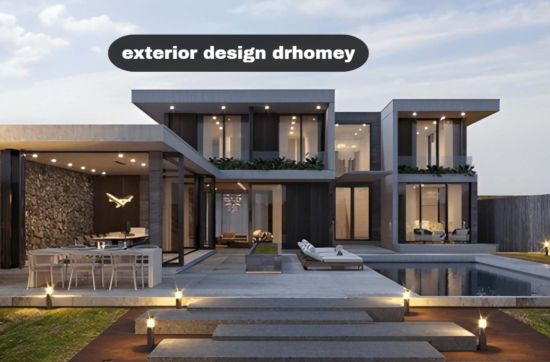
A house that disappears at night misses half its visual life. Good exterior lighting extends your design into the evening hours and adds warmth and safety to the property every single day.
Effective exterior lighting works on three levels. Ambient lighting handles general illumination. Task lighting addresses specific needs like the front entry and steps. Accent lighting draws attention to architecture, trees, or landscape features that deserve to be noticed.
The most common mistake is over-illuminating. Bright floodlights washing across a facade create a harsh look. Instead of blasting the eye, the objective is to guide it. Warm-temperature bulbs in the 2700K to 3000K range feel most natural against residential materials like stone and wood. Path lighting along walkways should mark the route without dominating the view. A single well-placed uplighter at the base of a significant tree can completely shift the nighttime feel of a front yard.
Outdoor Spaces That Actually Get Used
American homeowners have consistently moved toward treating outdoor space as real living square footage. Patios, decks, covered porches, and even side yards are functioning as rooms. When these spaces are designed around how people actually live, they get used. When they are vague zones of grass and concrete, they do not.
Determine the space’s demands first. Dining needs a flat level surface and enough room to move chairs. Lounging needs comfortable weather-resistant seating and shade. A pergola creates a ceiling reference without fully enclosing the space. A privacy hedge or wall defines the boundary of an outdoor room. An outdoor rug anchors a seating area the same way an interior rug does.
If you follow tips drhomey consistently on outdoor living, one idea comes up more than any other: interior design for use first and appearance second. A beautiful patio that lacks shade or functional seating is one nobody will sit on. If you get the function right, the aesthetics will come more easily.
Weather resistance matters more than people plan for. In most American climates, teak, powder-coated aluminum, and high-density polyethylene resin are among the most reliable choices for outdoor furniture that holds its condition over time.
Tying Interior and Exterior Together
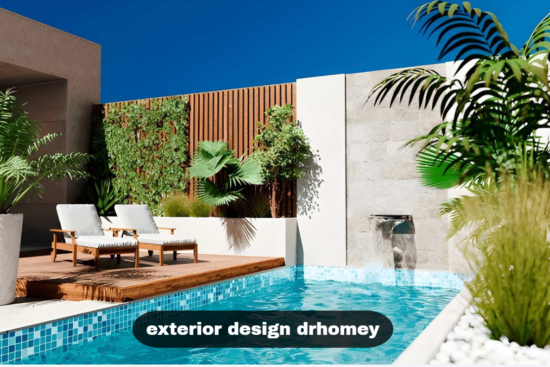
Many homeowners treat interior and exterior design drhomey as completely separate projects. But the most cohesive homes carry a visual thread between the two. Interior design drhomey principles emphasize that color, material, and texture should flow naturally from inside to outside. When the tones you chose for your living room relate to the exterior palette, and when the materials on your patio echo what is inside, the home feels complete rather than assembled from separate decisions.
This does not mean everything has to match. It means the choices should feel like they came from the same conversation. Extending your interior color palette to the exterior, using large glass doors to blur the line between inside and outside, or choosing outdoor furniture in tones that echo your indoor upholstery are all simple ways to create that connection.
A home that feels unified on the outside and on the inside is not an accident. It is the result of treating the exterior as part of the whole design, not as a separate project that happens to surround it.
One Last Thought
You do not need a large budget to improve your home’s exterior. You need a direction. Start with what is most visible, usually the entry. Work outward from there. Let each decision inform the next. The exterior design DrHomey philosophy is not about perfection. It is about treating the outside of your home with the same care and thought you would give the inside. Do that, and the results speak for themselves.


Pingback: Modern Home Exterior Ideas for Curb Appeal on a Budget Interior Design Drhomey
Pingback: Cypress Trees: 6 Essential Design Tips for a Gorgeous Home Interior Design Drhomey